2026 Best Water Hose for Your Garden Needs?

Time:2026-05-16 Author:Charlotte
0%

When it comes to maintaining a beautiful garden, choosing the right Water Hose is crucial. Renowned gardening expert, Sarah Green, emphasizes, "A high-quality water hose can transform your gardening experience." In 2026, gardeners face many options. Selecting a hose that meets your specific needs is essential for efficiency and convenience.

Water Hoses vary in material, length, and flexibility. Each feature impacts usage and durability. For instance, a lightweight hose is easier to maneuver but may not withstand harsh weather. Conversely, heavier materials last longer but can be cumbersome. Finding the perfect balance is key. Often, gardeners overlook this vital choice and later regret their decision.

Inspecting options helps avoid common pitfalls. Many consumers tend to choose the most affordable option, only to replace it sooner. Consider how often you water your plants and the distance from the water source. These factors heavily influence the effectiveness of your Water Hose. Investing time in this selection process ensures your garden thrives year-round.
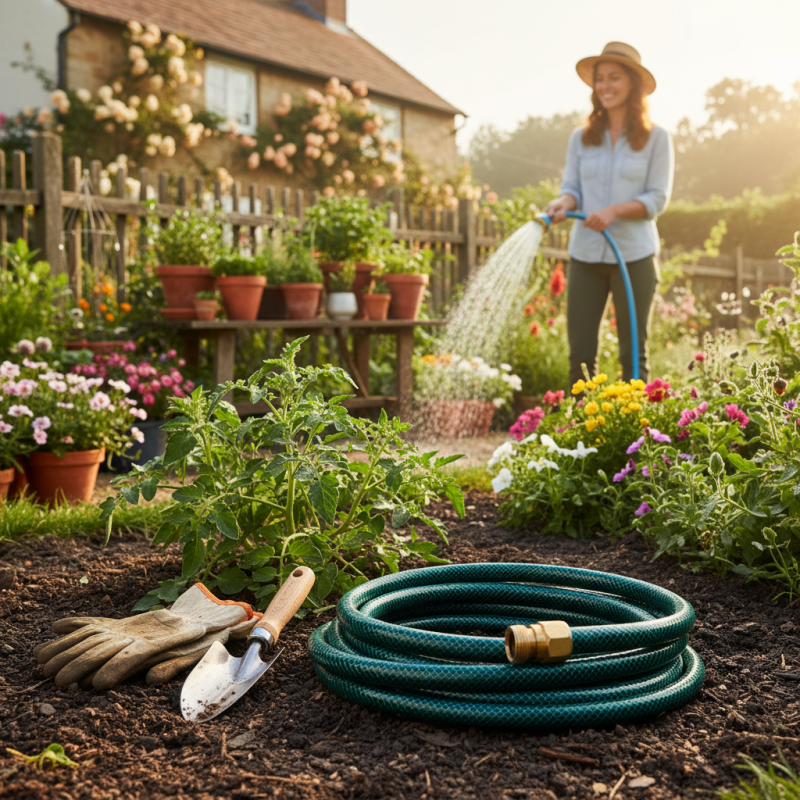
2026 Best Water Hose for Your Garden Needs?

2026 Water Hose Types: Comparative Analysis for Garden Use

When selecting a water hose for your garden, understanding the types available is crucial. There are three main categories: vinyl, rubber, and reinforced hoses. Vinyl hoses are lightweight and often more affordable, making them a popular choice for casual gardeners. However, data shows they can kink easily and may not withstand extreme temperatures as well as their rubber counterparts.

Rubber hoses, while heavier, offer durability and resistance to wear and tear. A report from the Gardening Tools Association indicates that rubber hoses have a lifespan that is two to three times longer than vinyl hoses. Reinforced hoses provide an excellent middle ground, featuring a layer of reinforcement to prevent kinking while remaining lightweight.

Many gardeners face dilemmas when choosing the right hose. Features like flexibility, weight, and temperature tolerance all matter. Research suggests that nearly 40% of gardeners abandon tasks due to cumbersome hoses. Ensuring you select a hose that fits your gardening needs is essential for maintaining a thriving garden. Consider what type best suits your watering tasks and be thoughtful in your choice.

Best Hose Materials: Durability and Flexibility Factors

Choosing the right water hose is crucial for garden maintenance. The material of the hose significantly affects its durability and flexibility. According to recent industry data, vinyl and rubber hoses are the most common choices. Vinyl hoses are lightweight and affordable but can lack the longevity needed for extensive gardening tasks. Conversely, rubber hoses may be heavier but offer enhanced durability and better resistance to high temperatures.

Flexibility is another important factor. A flexible hose is easier to maneuver around plants and garden beds. Reports indicate that hoses with a multi-layer construction can provide improved flexibility while maintaining strength. However, this flexibility can sometimes lead to kinks that impede water flow. A careful balance between material composition and design is essential for optimal performance.

While professionals emphasize the importance of material quality, the perfect hose often remains elusive. Gardeners often find themselves evaluating wear and tear, especially as seasons change. Assessing the needs of your specific garden can help in selecting the best hose, even if dissatisfaction arises over time. Maintenance practices, such as proper storage, can impact hose longevity and functionality.

Industry Standards for Hose Lengths: Choosing the Right Size

When selecting a water hose, understanding length is crucial. Different garden sizes require different hose lengths. A small garden might only need 25-50 feet of hose. In contrast, larger gardens can benefit from hoses 100 feet or even longer. Choosing the wrong length can complicate watering tasks. A hose that is too short might not reach all plants, while an excessively long hose can lead to tangling and frustration.

Consider the layout of your garden. If you have multiple beds or a large lawn, a longer hose can help. However, longer hoses can also mean less water pressure. That hinders irrigation efficiency. Aim to balance reach and pressure when deciding on the length. It's essential to measure the distances you plan to cover.

Some may overlook practical details, like storage. A hose that is too long can become cumbersome for storage, creating clutter. Regularly assess your gardening needs. As your garden grows or changes, so might your hose requirements. Listen to your garden; it will guide you toward what you truly need.

Water Flow Rate: Impacts on Irrigation Efficiency in Gardens

In gardening, water flow rate plays a critical role. It determines how effectively plants receive water. A higher flow rate can lead to quick saturation but may waste water too. Conversely, a slow rate can provide deep, thorough irrigation. Finding the ideal balance is key.

Effective irrigation systems need attention to this balance. Consider hose diameter and nozzle type; both impact flow rate. A narrow hose can restrict flow, making it harder to water large areas. Yet, a wider hose increases pressure and can create runoff. It's important to think about the unique needs of your garden.

Many gardeners overlook how uneven flow can affect plant health. Some areas may get too much water, while others suffer. This can lead to issues like root rot or dry spots. Regularly checking the flow and adjusting as needed can help prevent these problems. Experimentation and adjustments are part of the process. Observe what works and what doesn’t.

2026 Best Water Hose for Your Garden Needs

This chart illustrates the water flow rate (in gallons per minute) of different hose types, highlighting their impacts on irrigation efficiency for gardens.

Top Brands for Garden Hoses: Expert Reviews and Consumer Ratings

When it comes to choosing the best water hose for garden needs, expert reviews and consumer ratings play a crucial role. A recent industry report stated that nearly 70% of consumers prioritize durability when selecting a hose. A variety of materials, including rubber and vinyl, offer differing levels of resilience. Users often report that garden hoses made from reinforced materials are less prone to kinking and leaks, which can significantly impact gardening efficiency.

Consumer ratings also highlight the importance of flexibility. Around 55% of users prefer hoses that are lightweight and easy to maneuver. This preference is essential for gardens with complex layouts. A survey revealed that 40% of consumers experienced frustration with stiff hoses that are hard to handle. However, many gardeners continue to wrestle with the balance between sturdiness and flexibility, a point that deserves further exploration.

Maintaining a garden efficiently can depend on the right tools. While some brands receive accolades for their high ratings, others fall short due to performance issues. In fact, only about 45% of users reported complete satisfaction with their purchased hoses over time. Feedback suggests that many consumers wish for improved warranty options to enhance their confidence in long-term use. Addressing these concerns could lead to better choices for garden enthusiasts.

FAQS

: How do I choose the right hose length for my garden?

: Measure your garden size first. Small gardens need 25-50 feet, while larger ones may need 100 feet or more.

What happens if my hose is too short?

A short hose may not reach all your plants, making watering challenging and frustrating.

Are there any issues with a hose that is too long?

Yes, a long hose can tangle easily and may lead to storage problems.

How does hose length affect water pressure?

Longer hoses can reduce water pressure. This can hinder your irrigation efficiency.

What should I consider about my garden’s layout?

If you have multiple beds or areas, a longer hose might help. Balance reach and pressure is essential.

Why is water flow rate important in gardening?

Water flow rate affects how well plants receive water. Too high can waste water; too low can cause dryness.

What are the effects of uneven water flow?

Uneven flow can lead to overwatering in some areas and under-watering in others, harming plant health.

How do hose diameter and nozzle type affect flow rate?

Narrow hoses restrict flow; wider hoses boost pressure but may cause runoff. Choose based on your garden's needs.

What should gardeners do to manage their irrigation effectively?

Regularly check and adjust water flow. Monitor your garden's response to find the best approach.

How often should I reassess my hose needs?

Regularly evaluate as your garden grows or changes. Stay flexible to adapt to your plants' requirements.

Conclusion

The article titled "2026 Best Water Hose for Your Garden Needs" provides a comprehensive guide to selecting the optimal water hose for gardening. It begins with a comparative analysis of various water hose types, emphasizing their suitability for garden use. The piece highlights the importance of materials, considering factors such as durability and flexibility to ensure longevity and ease of handling.

Additionally, the article discusses industry standards for hose lengths, helping readers choose the right size for their gardens, while also addressing the significance of water flow rates on irrigation efficiency. Finally, expert reviews and consumer ratings are presented to outline trusted brands, offering insights into the best options available in the market for a reliable water hose that meets gardening needs effectively.


Charlotte

Charlotte

Charlotte is a seasoned marketing professional with a deep understanding of the company's portfolio and a passion for elevating its presence in the market. With a keen eye for detail and a commitment to excellence, she ensures that our professional blog is regularly updated with insightful articles......