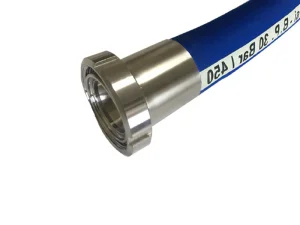
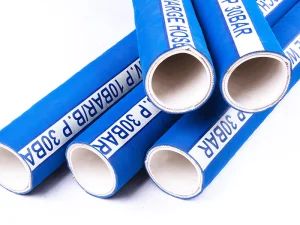
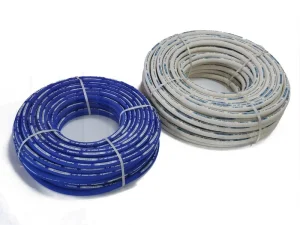
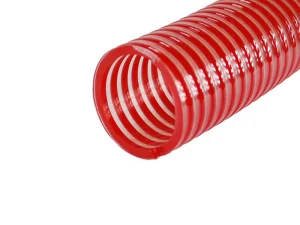
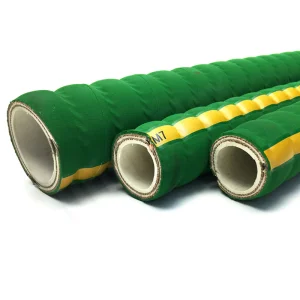
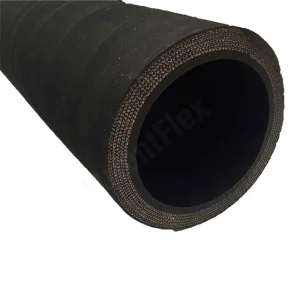
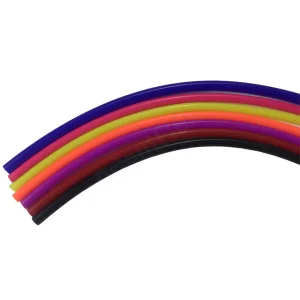
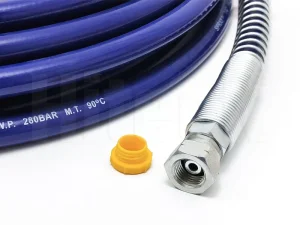
The global landscape for food-grade industrial hoses has evolved significantly, shifting from basic rubber components to highly engineered, regulatory-compliant fluid transfer systems. As food safety regulations (FDA, EC 1935/2004, REACH) become increasingly stringent, food processing plants worldwide are prioritizing sourcing from factories that provide more than just a product—they demand full traceability, material certification, and application-specific engineering.
In the current industrial climate, a food hose is not merely a conduit; it is a critical safety barrier. Whether in dairy processing, brewery operations, or bulk liquid transport, the risk of contamination—leaching of phthalates, microbial buildup, or material degradation—is a primary concern. Leading factories now integrate antimicrobial inner linings and specialized high-purity compounds to mitigate these risks, ensuring the integrity of the end-product from the farm to the consumer's table.
China has established itself as the global hub for food hose manufacturing, driven by massive investment in automated extrusion lines and advanced material science. Modern Chinese factories, such as Hebei Orient Rubber & Plastic Co., Ltd., have transitioned from high-volume, low-cost production to high-efficiency, technology-driven manufacturing.
Efficiency Metrics:
The application of food hoses is diverse, requiring tailored solutions for distinct environments:
Since 2010, we have evolved from a small team to a specialized group company, mastering the nuances of international trade and technical hose manufacturing.
Full compliance with FDA, CE, Reach, and ISO standards, ensuring our products are ready for the strictest global markets.
Supply capacity of 100+ containers per month ensures we meet the procurement needs of even the largest industrial distributors.
Comprehensive support from material selection and custom prototyping to post-sales logistics and technical consulting.
The food hose industry is entering an era of "Green Manufacturing." Future-facing factories are investing in bio-based plasticizers and recyclable thermoplastic elastomers (TPE) to reduce the carbon footprint of industrial operations. Furthermore, the integration of IoT-enabled hoses—capable of monitoring pressure, temperature, and wear—is on the horizon. By partnering with manufacturers who prioritize these innovations, procurement teams can future-proof their supply chain against regulatory changes and increasing consumer demand for sustainable operations.
When selecting a factory partner, do not look solely at the unit price. Evaluate the following factors to ensure long-term reliability:
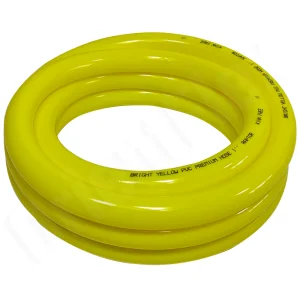
A: Food Grade PVC is often more cost-effective and transparent, ideal for light-duty fluid transfer. EPDM is superior for thermal resistance, durability in high-pressure CIP cycles, and long-term chemical resilience.
A: Yes, we specialize in OEM/ODM services, including attaching specific couplings, fittings, and testing assemblies for pressure integrity before shipment.
A: We utilize food-safe pigments and stabilizers that comply with FDA 21 CFR 177.2600 standards, and our products undergo independent lab testing to verify non-toxicity.
 Orient Flex