How to Choose the Best PVC Hose for Your Industry Needs?

Time:2026-05-11 Author:Oliver
0%

Choosing the best PVC hose for your industry needs can be a challenging task. With various types available, understanding their specific applications is crucial. Industry expert Dr. Emily Carter once stated, "Selecting the right PVC hose can significantly impact your operational efficiency." Her insights highlight the importance of making informed decisions.

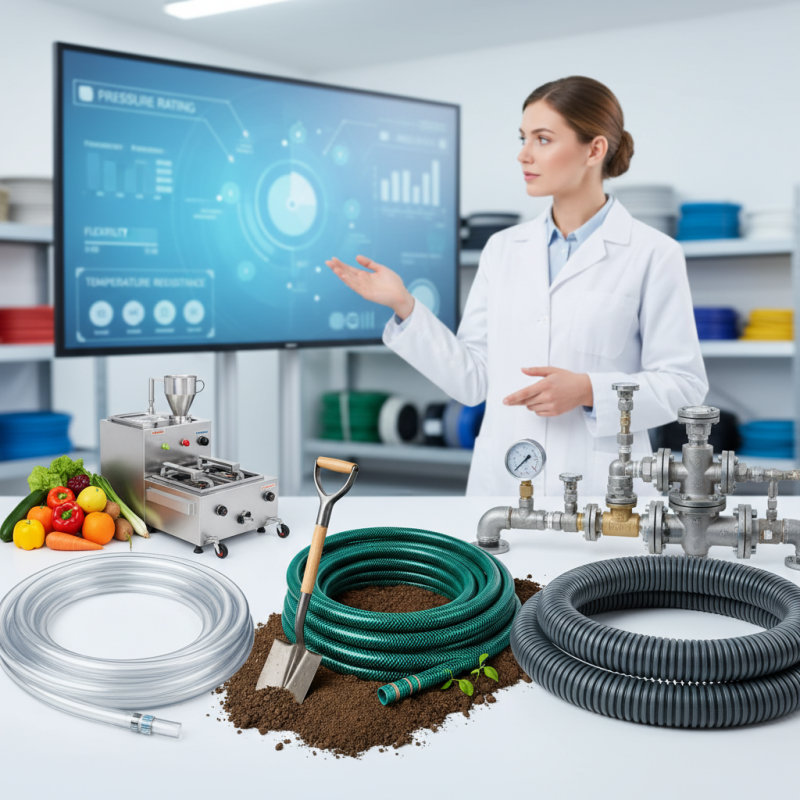
Different industries require unique specifications for PVC hoses. For example, food-grade hoses prioritize safety and compliance. On the other hand, agricultural hoses must endure harsh conditions. Each option comes with its own advantages and potential drawbacks. It’s essential to weigh these aspects carefully.

Awareness of your industry’s demands can lead to better choices. However, many users still face challenges in identifying the most suitable product. A thoughtful evaluation of factors like pressure ratings, flexibility, and temperature resistance is vital. Even minor oversights can lead to significant operational issues. Therefore, reflecting on your specific needs will guide you in selecting the ideal PVC hose.
How to Choose the Best PVC Hose for Your Industry Needs?

Understanding Different Types of PVC Hoses Available in the Market

When selecting the right PVC hose for your industry needs, it's essential to understand the various types available. PVC hoses come in several forms, each designed for specific applications. Clear hoses allow for easy monitoring of fluid flow. Reinforced hoses provide extra durability for high-pressure situations. Different wall thicknesses also influence flexibility and rigidity.

Considering the application is crucial. For instance, a food-grade hose must comply with safety standards. Not all PVC hoses meet these criteria. You might find a suitable option, but it may not be ideal for your needs. Always check specifications carefully to avoid issues later.

PVC hoses can be affected by temperature and chemical exposure. Some may stiffen in cold weather. Others may degrade when exposed to certain chemicals. Regular inspection is necessary to ensure performance is on par. When in doubt, consulting with experts in the field can provide clarity. Balancing quality and cost is a common challenge. Creating a checklist of requirements can help you make informed decisions.

How to Choose the Best PVC Hose for Your Industry Needs?

Type of PVC Hose Application Temperature Resistance (°C) Pressure Rating (psi) Reinforcement Type
General Purpose PVC Hose Water, Air, and Lightweight Chemicals -10 to 60 200 Braided
Food Grade PVC Hose Food and Beverage Transfer -5 to 65 150 Wire Reinforced
Heavy Duty PVC Hose Construction and Industrial Use -15 to 70 300 Multiple Layers
Transparent PVC Hose Fluid Transfer and General Applications 0 to 60 80 Braided Polyester
Chemical Resistant PVC Hose Corrosive Chemicals and Solvents -20 to 60 150 Reinforced

Key Factors to Consider When Selecting a PVC Hose for Specific Applications

Selecting the right PVC hose for your industry needs is crucial. Consider the specific applications and the environment in which the hose will be used. For instance, hoses used in agriculture need different properties than those used in food processing or construction. Key factors include temperature range, chemical resistance, and flexibility. According to industry reports, around 75% of hose failures occur due to improper selection. This statistic highlights the importance of careful evaluation.

**Tip:** Identify the precise application before purchasing. Understanding temperature variables and potential chemical exposure is vital. For example, PVC hoses suited for high-temperature applications typically withstand up to 140°F. Additionally, hoses exposed to oils must be rated for oil resistance.

Another essential consideration is the hose's diameter and pressure rating. Smaller diameters can restrict flow, affecting productivity. On the other hand, oversized hoses may lead to unnecessary expenses. Industry surveys show that 60% of operators report decreased efficiency linked to inadequate hose sizes.

**Tip:** Consult with industry experts to determine the best hose specifications. This collaboration can ensure optimal performance and durability. Always request technical data sheets to verify claims and guarantees. Your choice impacts both safety and efficiency, so it pays to be diligent.

Comparison of PVC Hose Types for Different Applications

Evaluating the Durability and Flexibility of PVC Hoses for Industrial Use

When selecting a PVC hose for industrial applications, durability and flexibility are crucial factors. Industrial environments can be harsh. Hoses must withstand abrasion, chemicals, and varying temperatures. A robust design can greatly enhance a hose's lifespan. Look for hoses with reinforced structures. This can prevent premature wear and tear in high-demand situations.

Flexibility is equally important. A hose that bends easily can navigate tight spaces without kinking. This ensures an uninterrupted flow of materials. However, too much flexibility may lead to decreased durability. Striking the right balance is essential. Consider the specific needs of your operation. Different projects may require different levels of rigidity or softness.

Also, remember that not all PVC hoses are created equal. Some may crack under stress, while others may remain intact. Testing hoses in your environment before commitment is wise. Observing how they perform can provide valuable insights. Flexibility, while beneficial, should not compromise the hose’s structural integrity. Therefore, pay attention to materials and certifications. This informs you about their reliability for long-term industrial use.

Assessing the Chemical Resistance of PVC Hoses for Safe Operation

When selecting a PVC hose for industrial use, understanding its chemical resistance is crucial. Many industries rely on PVC hoses for transporting various fluids. Each application demands attention to the specific chemicals involved. This requires a careful evaluation of the hose's material and its interaction with those substances.

Testing chemical resistance under various conditions is essential. Not all PVC hoses have the same properties. You might find that one hose performs well with water but fails with solvents. It is vital to know the environmental factors like temperature and pressure, which influence performance. This “fit for purpose” approach can enhance safety and operational efficiency.

Overconfidence in a hose’s capabilities can lead to failures. A hose that works in one scenario may not in another. Regularly review your choices and consider professional consultations. Quality data and reliable sources help ensure that you choose hoses thoroughly tested for your specific needs. Be open to adapting your selections based on feedback and changing applications. Cheers to making safe and effective choices!

Cost-Effectiveness: Budgeting for Your PVC Hose Needs in Industry

When budgeting for PVC hoses, cost-effectiveness is key. Many industries rely on these hoses for durability and reliability. But price alone shouldn't dictate your choice. Consider the long-term expenses associated with cheap alternatives. Lower initial costs can lead to frequent replacements and increased downtime.

Evaluate your specific needs. Determine the hose's operational requirements, such as pressure resistance and temperature range. Sometimes, spending a bit more upfront saves money later. Analyze the maintenance costs, too. Quality hoses often require less upkeep, reducing overall expenditure.

It's also wise to think about the environment. Not all PVC hoses are produced with sustainability in mind. If eco-friendliness is essential for your industry, this can affect your budget. Balancing environmental concerns with cost can be tricky. Take time to research and weigh your options carefully.

FAQS

: What types of PVC hoses exist?

: There are clear hoses, reinforced hoses, and hoses with various wall thicknesses for different applications.

Why is the application of the hose important?

The application determines if the hose meets safety and durability standards. Not all hoses are suitable for specific needs.

How can temperature affect PVC hoses?

Some hoses may stiffen in cold weather. Others can degrade when exposed to certain chemicals.

What should I consider when choosing a PVC hose?

Assess durability, flexibility, wall thickness, and specific application requirements. Each project may have unique needs.

Why is flexibility important in a hose?

Flexibility allows hoses to bend easily in tight spaces, ensuring smooth fluid flow without kinking.

Can too much flexibility be a problem?

Yes, excessive flexibility can reduce durability. A balance between flexibility and structural integrity is crucial.

How can I ensure hose reliability for long-term use?

Look for hoses with reinforced structures and check materials and certifications for quality assurance.

Should I test hoses before making a purchase?

Yes, observing how hoses perform in your specific environment can provide insights before commitment.

What is a common challenge when selecting PVC hoses?

Balancing quality with cost is challenging. A checklist of requirements can aid in making informed choices.

What should I do if I'm unsure about hose selection?

Consulting with experts can provide clarity and help you choose the right hose for your needs.

Conclusion

Choosing the right PVC hose for your industry needs involves understanding the various types available in the market. Different applications may require specific features, so it’s important to consider key factors such as durability, flexibility, and chemical resistance. PVC hoses are valued for their versatility and cost-effectiveness, making them suitable for a range of industrial applications.

When selecting a PVC hose, evaluate its ability to withstand specific operational conditions, including exposure to chemicals and physical strain. Additionally, budgeting for your PVC hose requirements is crucial, as it can significantly impact your operational costs. By carefully considering these aspects, you can ensure that you choose the most suitable PVC hose tailored to your industrial needs.


Oliver

Oliver

Oliver is a seasoned marketing professional with a wealth of expertise in driving brand awareness and engagement. With a deep understanding of our company's product offerings, he consistently delivers high-quality content that enriches our professional blog. His insights not only shed light on......