When selecting a Water Fire Hose, understanding your specific needs is crucial. As fire protection expert Johnathan Hayes aptly puts it, “Choosing the right hose means saving lives.” A Water Fire Hose is not just a tool; it's a lifeline in emergencies.
Hoses come in various materials and sizes, tailored for specific environments. For instance, a lightweight hose is perfect for residential use. In contrast, a heavier, durable hose is essential for industrial settings. Consider where and how you'll use it.
It's vital to assess the hose's pressure rating and flow capability. A mismatch can lead to bottlenecks in critical situations. Mistakes in selection can waste valuable time. Reflect on your priorities and make informed choices for safety and efficiency.
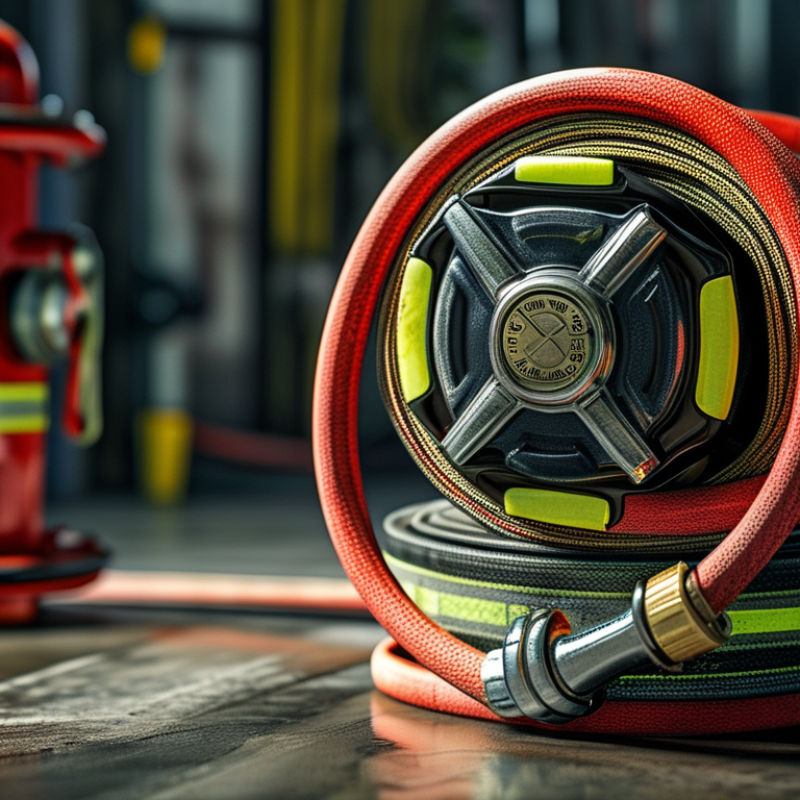
When selecting a water fire hose, understanding the available types is crucial. Various hoses serve different purposes and environments. Standard fire hoses are often made of materials like rubber or reinforced fabric. They deliver water effectively while ensuring durability and flexibility in various conditions. These hoses are ideal for municipal fire departments or industrial settings.
In contrast, lightweight hoses cater to specific scenarios, such as wildland firefighting. Their design allows firefighters to carry them over rough terrain. While they may lack some durability, they are easier to maneuver. It’s essential to weigh their advantages carefully. Some hoses might not perform well under high pressure, which can be critical in certain emergencies.
Additionally, specialized hoses exist, like foam hose or suction hose. Foam hoses mix water with firefighting foam, useful for suppressing flammable liquid fires. Suction hoses enable water sourcing from open water bodies. Understanding these nuances will help you make an informed decision. Each type has its distinct strengths and weaknesses. It's not always clear-cut which one is best for your needs. Reflecting on the specific requirements of your situation is necessary for optimal selection.
Choosing the right fire hose is critical for effective fire safety. To start, assess your specific fire safety needs. Consider the environment where the hose will be used. For instance, will it be in an industrial area, a common building, or a rural setting? Each environment has unique challenges. Knowing this will guide your selection process.
Next, think about the types of fires you may encounter. Class A fires involve solid materials like wood and fabric, while Class B fires involve flammable liquids. Make sure the hose you choose is compatible with your expected fire scenarios. Additionally, evaluate the required hose length. A hose that’s too short may not reach the fire in time. On the other hand, a hose that's too long can be cumbersome to handle.
Don’t overlook the importance of maintenance and storage. Regular checks for wear and tear are essential. A hose that's not properly maintained can fail when you need it most. Reflecting on these aspects can help you recognize any gaps in your current fire safety plan. Embracing a proactive approach ensures that you're better prepared for emergencies.
When choosing a water fire hose, key features are essential. The diameter is crucial. Most fire hoses range from 1.5 inches to 6 inches. A thicker hose carries more water, but it can be harder to maneuver. The Fire Protection Research Foundation states that larger hoses are better for high-volume needs, yet smaller hoses offer agility.
Material plays a significant role in durability. Hoses made from synthetic materials are lightweight and resistant to abrasion. According to the National Fire Protection Association (NFPA), hoses should also meet specific standards for burst pressure. A reliable hose should easily handle a minimum of 300 psi. This ensures it won’t rupture under pressure, providing safety for users.
Couplings are another vital element. An effective fire hose must have robust couplings that guarantee a secure connection. Look for aluminum or brass couplings, as they offer strength and corrosion resistance. Some reports suggest that leaks often occur at connection points, highlighting the need for quality. Ultimately, considering these features significantly enhances your fire response capabilities.
| Feature | Description | Importance |
|---|---|---|
| Material | Common materials include nylon, rubber, and polyurethane which determine durability. | High durability materials can withstand intense heat and pressure. |
| Diameter | Hoses typically range from 1.5" to 5" in diameter. | Larger diameters allow for greater water flow, crucial in emergencies. |
| Length | Common lengths available include 50ft, 100ft, and 200ft. | Longer hoses allow for flexibility in reaching distant fire sources. |
| Pressure Rating | Refers to the maximum pressure the hose can handle, measured in psi. | A high-pressure rating ensures effective firefighting even under severe conditions. |
| Nozzle Compatibility | Must be compatible with standard firefighting nozzles to ensure effective use. | Improves efficiency during firefighting operations by allowing quick nozzle changes. |
| Weight | Weight varies based on materials and length, affecting portability. | Lighter hoses are easier to handle, especially in emergency situations. |
| Coupling Type | Common coupling types include threaded and storz fittings. | Correct coupling types enhance ease of connection to water sources. |
When selecting a water fire hose, evaluating hose materials and durability is crucial. Different materials offer unique advantages. For instance, synthetic fibers are commonly used for their lightweight and flexibility. According to a 2021 industry report, hoses made from these materials show a 30% increase in lifespan compared to traditional rubber hoses. However, environments with extreme temperatures may challenge their flexibility over time.
Durability is not solely about material choice but also construction quality. A hose's ability to withstand high pressure is vital. Data shows that hoses tested under increased pressure often reveal weaknesses in seams. Infection in seams may lead to leaks, compromising firefighting efforts. Regular inspections and maintenance can help identify these issues before they escalate.
Another factor is external coatings. Many hoses come with protective layers to enhance abrasion resistance. For example, a study in 2019 indicated that hoses with reinforced coatings can resist up to 50% more wear. This aspect is essential in environments where hoses drag across rough surfaces. Not every hose offers this level of durability. Investing in a high-quality option can result in better performance and safety.
When selecting a fire hose, considering maintenance and storage is crucial. Proper care extends the life of your hose and ensures safety during emergencies. Regular inspections help identify wear and tear. Look for signs of damage or leaks. Minor issues can often be repaired easily, preventing larger problems down the road.
Storage is equally important. A well-stored hose is less likely to suffer from environmental damage. Always store your hose off the ground. Use hose racks or hooks to keep them neatly coiled. Avoid tight bends during storage, as this can weaken the material over time. A dry, shaded area is ideal for preventing mold growth.
Tips: Clean your hose after each use. Rinse it thoroughly to remove dirt and contaminants. This simple step can significantly enhance its performance and lifespan. Make it a habit to regularly check connection points. Ensuring they are secure can save time and effort when you need your hose most.
: There are standard hoses, lightweight hoses, and specialized hoses. Each serves different environments and purposes.
Standard hoses are durable and flexible. Lightweight hoses are easier to carry but may lack some durability.
Thicker hoses carry more water. However, they can be harder to maneuver in tight spots.
Hose material affects durability. Synthetic materials are lightweight and resistant to wear, crucial for long-term use.
Inspect hoses regularly for damage. Clean them after use and store them off the ground to prevent wear.
Proper storage prevents environmental damage. Coiling hoses neatly avoids weak spots and prolongs their lifespan.
Regularly check connection points for leaks. This simple step enhances reliability during critical situations.
Look for durable materials, appropriate diameter, and robust couplings for secure connections and safety.
Yes, they may not perform well under high pressure, which is risky in emergency situations.
Inspect it regularly, especially after use. Look for minor issues that could develop into bigger problems.
Choosing the best water fire hose for your needs involves understanding the various types available and evaluating your specific fire safety requirements. Different hoses serve different purposes, so it's essential to consider factors like intended use, environmental conditions, and necessary pressure ratings.
In addition to understanding types, key features such as nozzle compatibility, coupling systems, and length should be assessed to ensure optimal performance. The materials of the hose are also crucial; look for durable options that resist wear and damage. Finally, consider maintenance and storage solutions to prolong the life of your water fire hose, ensuring that you are always prepared to address fire emergencies effectively.

Orient Flex