Choosing the right rubber hose can be daunting. With various options available, understanding your specific needs is crucial. "A rubber hose should not just meet your needs; it should exceed them," says John Adams, a renowned expert in the rubber hose industry. His insights help highlight the importance of selection.
Rubber hoses are versatile. They serve multiple industries, from agriculture to construction. You must consider factors like temperature resistance, pressure ratings, and chemical compatibility. Not all rubber hoses are created equal. Some may wear out quickly, failing to deliver expected performance.
It’s essential to evaluate quality versus cost. Cheaper hoses might seem attractive, but they could lead to frequent replacements. This approach can ultimately increase expenses. Finding the balance between durability and affordability is key. Reflect on your experiences with rubber hoses. What worked? What didn’t? Your answers will guide you toward the best choice.
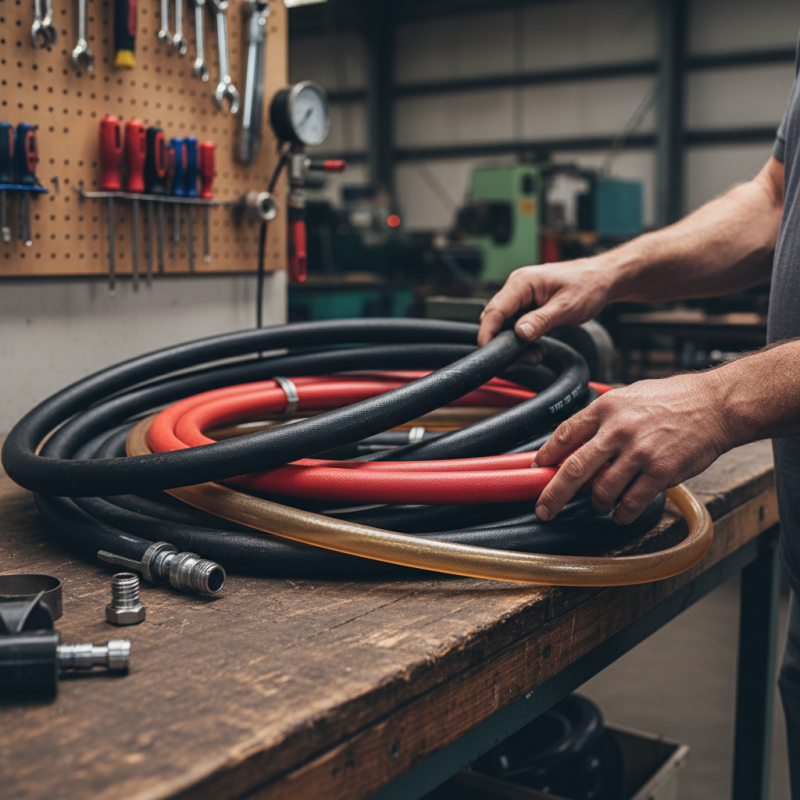
Choosing the right rubber hose is essential for various applications. Different types of rubber hoses serve specific needs. Understanding these types can prevent costly mistakes.
There are general-purpose hoses, which are versatile and can handle air, water, and lightweight chemicals. They are often used in agriculture and construction. According to the International Rubber Study Group, these hoses account for about 35% of the market. However, they may not withstand extreme temperatures or pressures.
Specialty hoses, like those designed for fuel or high-pressure applications, are crucial in industries like automotive and industrial manufacturing. These hoses can handle specific chemicals and extreme conditions. Data shows that high-pressure hoses represent nearly 25% of the industry. Choosing the wrong type can lead to frequent replacements, increasing overall costs. Proper selection involves understanding the environment in which the hose will be used, the substances it will carry, and the required pressure ratings. This process requires careful consideration; overlooking these factors may result in failures.
When choosing a rubber hose for your needs, several key factors come into play. One major consideration is the hose's temperature resistance. Different applications require hoses that can withstand varying temperature ranges. For example, a hose meant for hot water should resist heat without degrading. Checking the material's maximum temperature rating is essential.
Next, think about the hose's chemical compatibility. Some hoses can react poorly when exposed to specific chemicals. If you're using the hose for industrial purposes, consider what substances it will contact. Even small amounts of certain chemicals may lead to hose failure. Furthermore, consider the hose's flexibility and bend radius. A rigid hose may not suit all applications, especially in tight spaces.
Durability is another crucial factor. This often correlates with hose thickness. Thicker hoses may resist abrasion better but can be less flexible. Striking a balance between flexibility and durability is important. It's worth noting that not all hoses are created equal; some may not perform as expected over time. Always seek information from reliable sources and consult with professionals when in doubt.
This chart illustrates the key factors to consider when choosing a rubber hose for your application, including flexibility, temperature resistance, pressure rating, and chemical compatibility. Understanding these factors can help you select the best hose for your specific needs.
When selecting a rubber hose, it's essential to consider
industry standards and regulations. These guidelines
often dictate the materials and construction methods used. For example, hoses must comply with
specific temperature and pressure ratings
to ensure safety. Hoses that lack proper certification may not perform as expected, leading to
failures. This can cause delays and increase costs.
Moreover, different industries have varying requirements. For instance, hoses used in
food processing must meet stringent sanitary
standards. In contrast, hoses for industrial applications might focus more on durability
and resistance to chemicals. Not understanding these differences can lead to inappropriate selections.
Evaluating the intended application is also crucial. Always consider factors like
flexibility, abrasion resistance, and the
environment. It's worthwhile to consult with industry experts when needed. Reflection on past experiences
can guide you in making better decisions. Choosing the right hose is not just about cost; it's about
safety and efficiency. Ensuring compliance
with industry standards is a foundational step in that process.
When choosing rubber hoses, understanding material performance is crucial. Different materials affect durability, flexibility, and resistance to chemicals. For example, nitrile rubber hoses are known for their oil resistance. They perform well in automotive applications. However, they may not be suitable for extreme temperatures.
Another option is EPDM rubber. This type is revered for its weather resistance. You can often find EPDM hoses in outdoor settings. They hold up against UV rays and ozone. Yet, some EPDM hoses can lack flexibility in colder temperatures. Users should consider environmental conditions carefully.
Lastly, consider the reinforcement type. Braided hoses offer high strength, while spiral hoses provide flexibility. Each has its own advantages. Testing both types in real applications is essential. Pain points may arise from improper selections. Therefore, users should reflect on both performance needs and specific conditions.
When selecting a rubber hose, understanding cost-effectiveness and lifespan is vital. A study by the Rubber Manufacturers Association indicates that high-quality rubber hoses can last up to ten years with proper care. This longevity can significantly reduce replacement costs over time. For instance, investing in a hose that suits your needs can save you both money and hassle in the long run.
Evaluating the initial cost versus lifespan is essential. Some cheaper hoses may seem appealing. However, they often wear out quickly, leading to frequent replacements. In contrast, a durable hose may cost more upfront but could save you from recurring expenses. It's crucial to consider how you will use the hose. Continuous exposure to harsh conditions may necessitate a more resilient option.
Another factor to consider is maintenance. Proper care extends a hose's lifespan. However, many users overlook critical maintenance steps. Regular inspections and cleaning can prevent premature wear. Research shows that 30% of the issues with hoses stem from neglect. Being aware of these details allows you to make informed choices, ensuring your investment is worthwhile.
: Common materials include nitrile rubber and EPDM rubber. Each type has distinct performance traits.
Nitrile rubber offers excellent oil resistance. It's effective in automotive applications but not for extreme temperatures.
EPDM rubber is known for weather resistance. It withstands UV rays and ozone, making it suitable for outdoor use.
Some EPDM hoses may lose flexibility in cold. Users should consider the temperature in their environment.
Braided hoses provide high strength, while spiral hoses offer flexibility. Testing both types is important for specific needs.
With proper care, they can last up to ten years. Good investment can reduce replacement costs significantly.
Cheaper hoses may wear out quickly. A more durable option may save you from frequent replacements.
Regular inspections and cleaning are essential. Neglecting maintenance can lead to premature wear.
Many users overlook key maintenance steps. Research suggests that neglect causes around 30% of hose problems.
Reflect on your usage conditions and needed performance. Making informed decisions can lead to better long-term satisfaction.
When selecting the best rubber hose for your needs, it is essential to understand the various types available and their specific applications. This comprehensive guide explores key factors such as flexibility, temperature resistance, and pressure ratings that significantly influence your choice. Additionally, the article discusses industry standards and regulations that govern rubber hose selection, ensuring compliance and safety.
Furthermore, we conduct a comparative analysis of different rubber hose materials, evaluating their performance metrics to help you make an informed decision. Cost-effectiveness and lifespan are also critical considerations, allowing you to assess the long-term value of your rubber hose investment. By following these guidelines, you can ensure that the rubber hose you choose meets your specific requirements effectively and efficiently.

Orient Flex