In the evolving landscape of industrial applications, the need for high-quality Industrial Hose solutions is paramount. Experts like John Smith, a renowned industrial engineer, emphasize, "Selecting the right Industrial Hose can significantly impact operational efficiency." As global buyers navigate through a multitude of options, understanding the specific requirements of various industries becomes crucial.
Industrial Hoses cater to a wide range of functions, from transferring fluids to handling abrasives. Different materials and design features play a vital role in performance. Buyers must consider factors like temperature resistance, flexibility, and pressure ratings. A misstep in choice can lead to increased downtime and unexpected costs.
Moreover, every industry comes with its unique challenges. Buyers should be cautious and seek insights from experienced suppliers. A reliable Industrial Hose should not only fulfill immediate needs but also adapt to future demands. This commitment to quality ensures safety and productivity in operations. A comprehensive understanding of available solutions can often reveal gaps, prompting buyers to rethink their current practices.
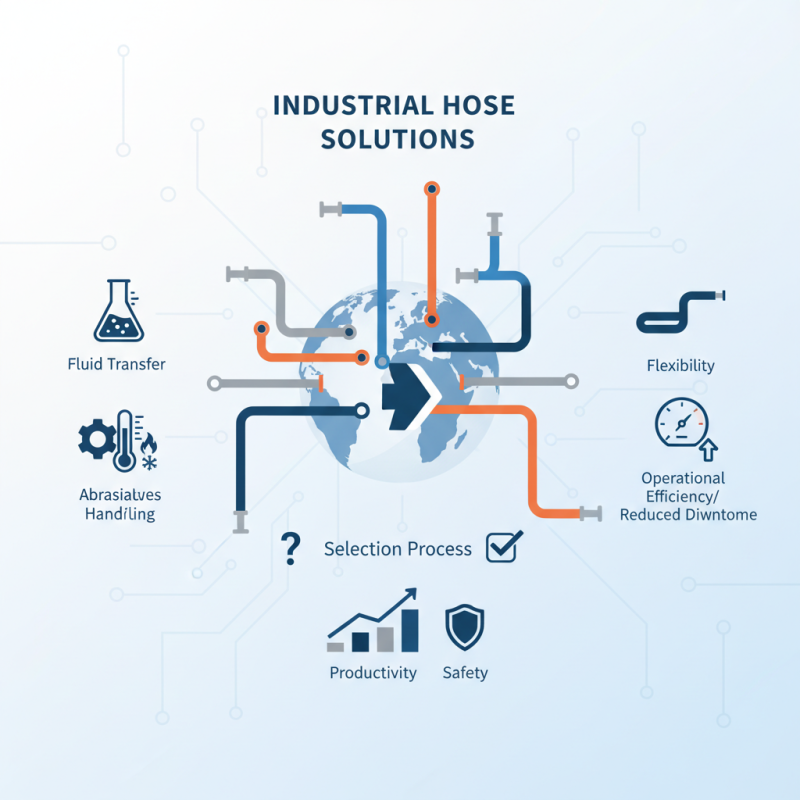
Industrial hoses play a crucial role in various sectors, from manufacturing to agriculture. They transport fluids safely and efficiently. Buyers must understand the diverse types of hoses available in the market. Each type is designed for specific applications, and selecting the right one is vital.
Flexibility, durability, and temperature resistance are key factors to consider. Hoses are made from various materials, including rubber and thermoplastics. These materials determine their performance in different environments. It’s essential to match the hose type with the intended use to ensure longevity and reliability.
Buyers often overlook compatibility with existing systems. This oversight can lead to inefficiencies and costly downtimes. Conducting thorough research before making a purchase is advisable. Consulting industry experts can also provide valuable insights. The goal is to choose a solution that meets both current and future needs.
: Industrial hoses transport fluids safely and efficiently across various sectors, including manufacturing and agriculture.
Flexibility, durability, and temperature resistance are essential. Material type also affects performance.
Overlooking compatibility with existing systems can lead to inefficiencies and costly downtimes. Research is crucial.
Advanced materials enhance durability and flexibility, improving reliability. Synthetic rubber blends resist harsh chemicals and temperature extremes.
Look for excellent abrasion resistance and avoid focusing solely on price. Performance is key for safety.
Smart hose technology allows for real-time monitoring, helping to prevent unexpected failures and improve operational safety.
Many buyers fail to assess hoses for wear and tear, which can compromise safety in prolonged use.
Not always. Sometimes, less popular materials may perform better under certain conditions.
Testing hoses in real operating conditions provides valuable insights. It helps ensure a suitable choice for specific applications.
Industry experts offer valuable insights that aid in making informed decisions, ensuring alignment with current and future needs.
The article "Top Industrial Hose Solutions for Global Buyers to Consider" provides a comprehensive overview of industrial hose solutions available in the global market. It outlines various types of industrial hoses, highlighting their specific applications and materials used, which enables buyers to make informed decisions based on their unique requirements. Additionally, the article delves into key factors to consider when selecting industrial hoses, such as pressure ratings, temperature resistance, and compatibility with various substances.
Moreover, the article emphasizes the importance of choosing reputable suppliers and manufacturers to ensure quality and reliability in industrial hose products. It also explores innovative technologies that are shaping the future of industrial hoses, including advancements in materials and manufacturing processes that enhance durability and performance. This guide serves as an essential resource for global buyers looking to navigate the diverse landscape of industrial hoses effectively.

 Orient Flex