 Orient Flex
1 / 4
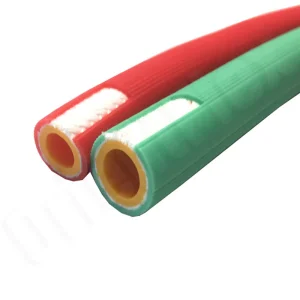
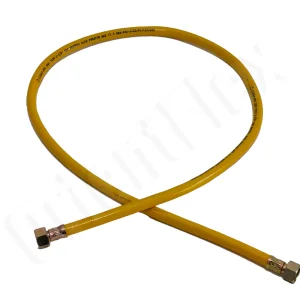
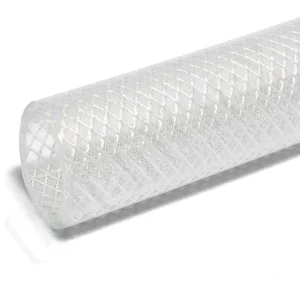
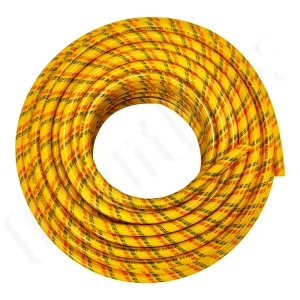
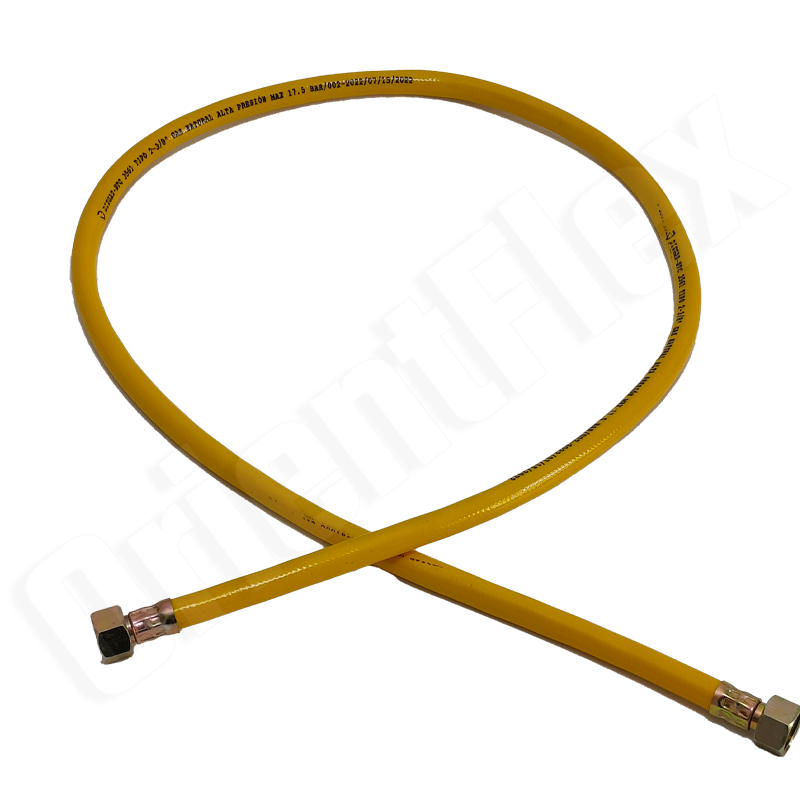
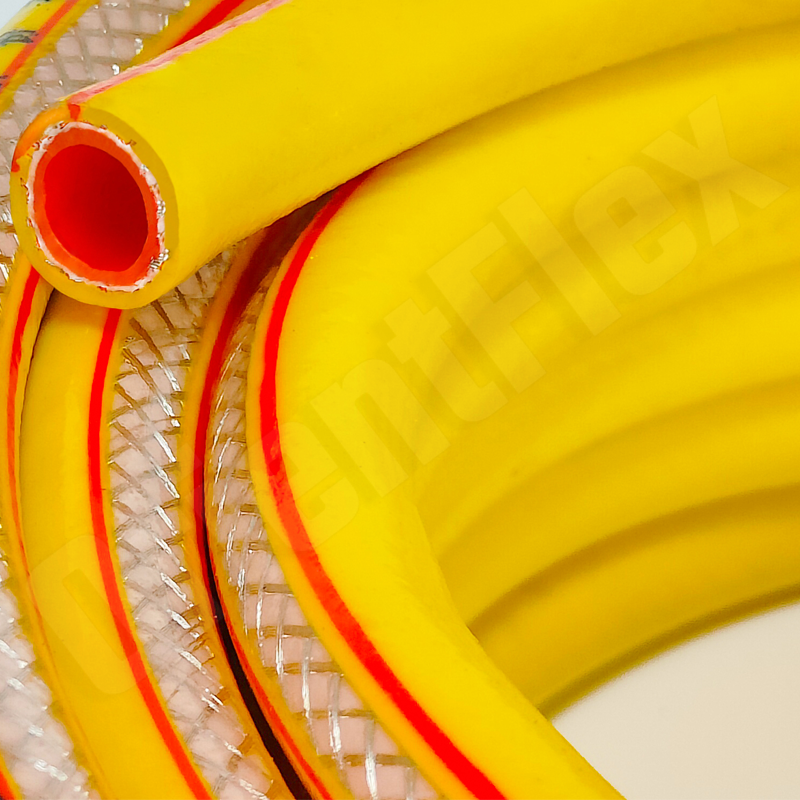
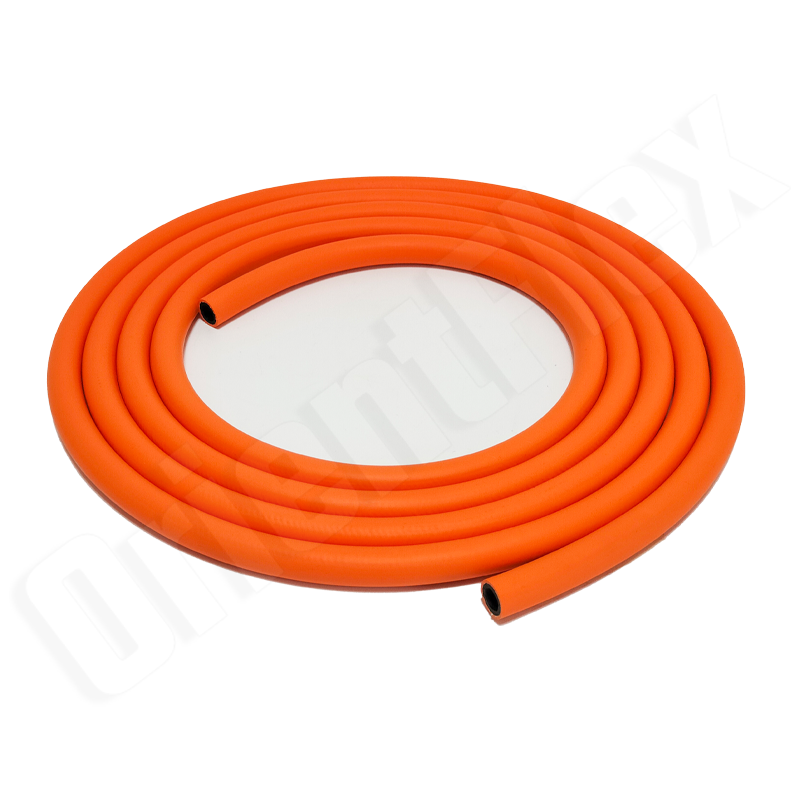
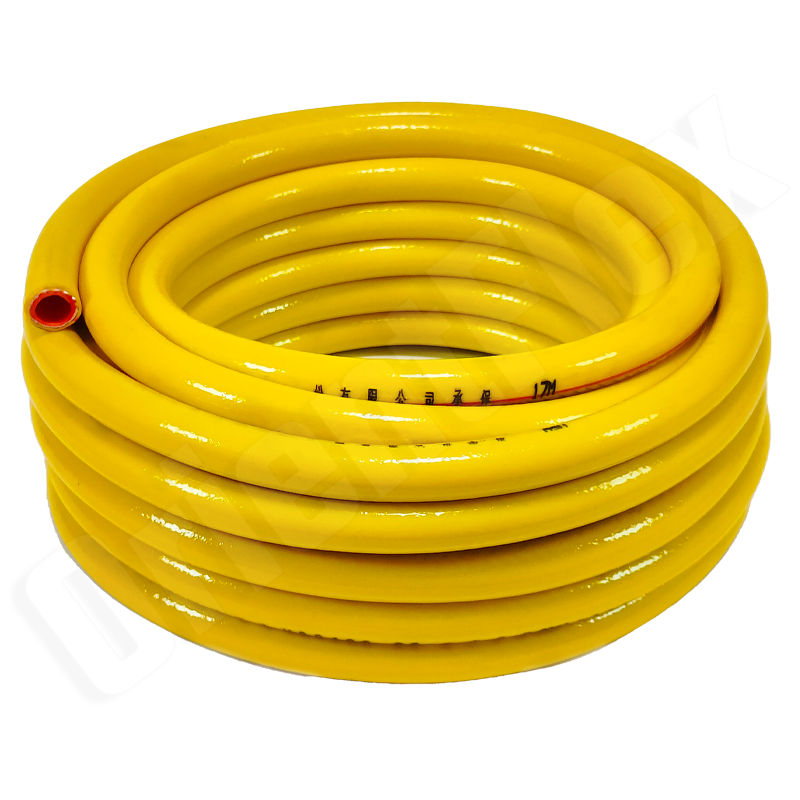
PVC gas hose is specially for fuel gas transfer at low pressure. It is mostly used in household fuel gas equipment, for example, the connection between gas tank and stove. Besides family use, it is a necessary part for outdoor barbecue and industrial use. PVC gas hose is to transfer fuel gas between tank and stove, thus it also concerns your security.


Non-fuel gas special hose or inferior hose will harden because of oxidation, which can cause the hose to fall and leak. This creates huge security risks. Therefore, you should always select hose specifically designed for fuel gas.
PVC gas hose may age and distort after 2 years of service. Over time, the hose will harden and crack, potentially leading to connection points loosening and gas leakage. We suggest you change the PVC gas hose every 2 years to ensure safety.
You should use a clamp on the hose connection even if it feels snug on the tank and stove. Without a clamp, the hose may loosen and leak after long-term use, which could lead to serious accidents if a fire occurs.
Overlong PVC gas hoses increase risk. Regulations state that the hose should be within 2 meters. Additionally, the hose must not pass through walls, doors, or windows to avoid wear and potential leakage.
PVC gas hose closely concerns your security. We strongly advise you to check your hose annually. While our products are built to last, changing your gas hose every 2 years remains the best practice for your safety.