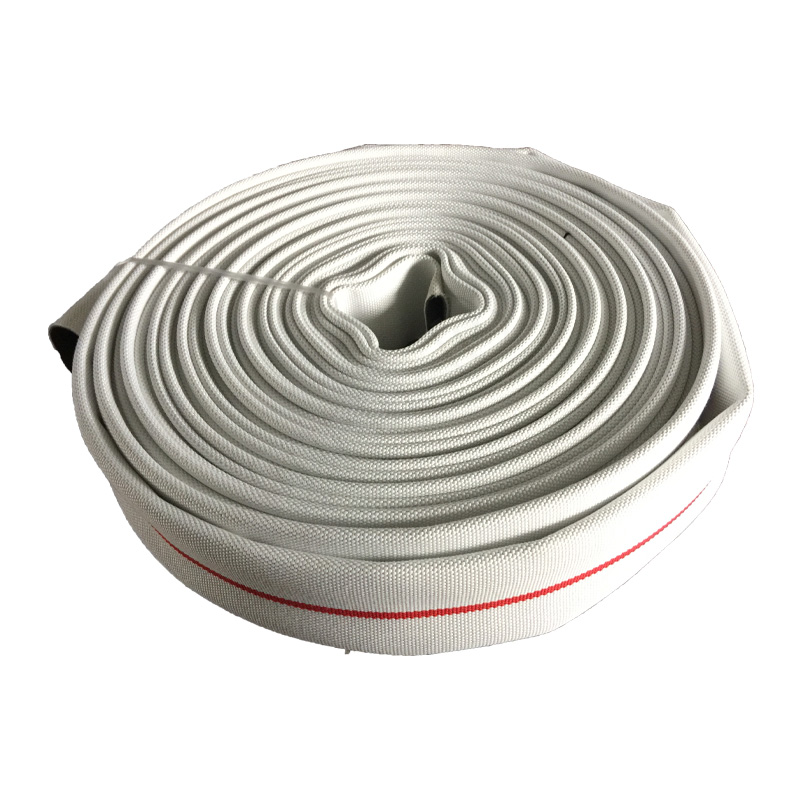
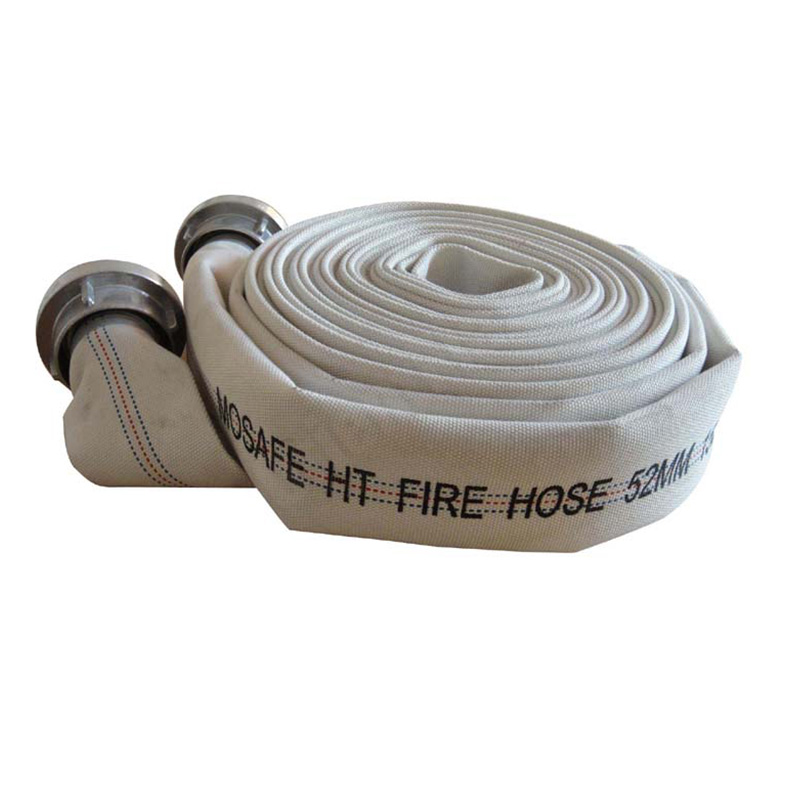
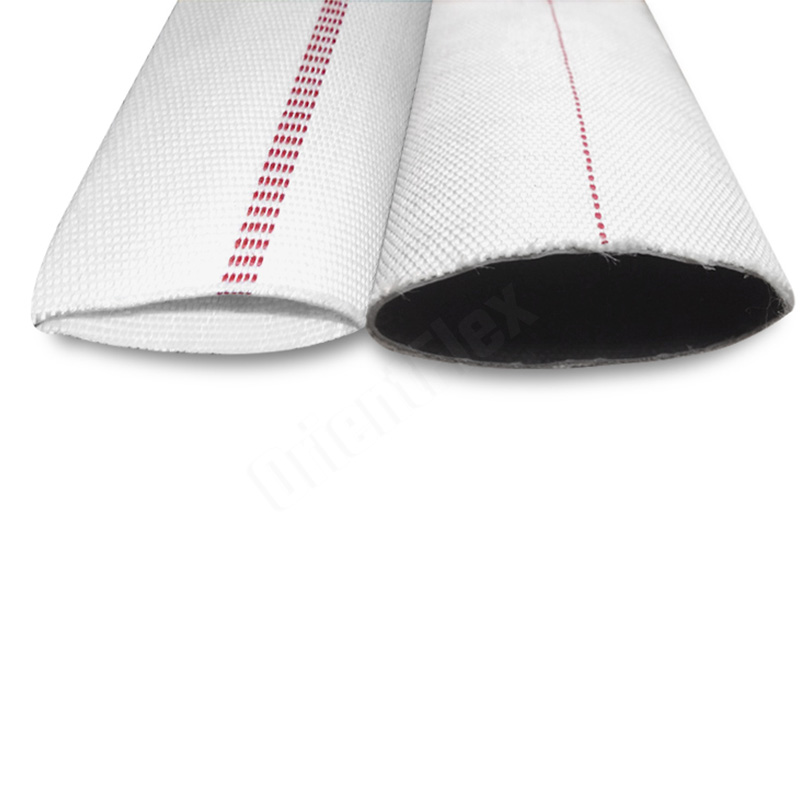
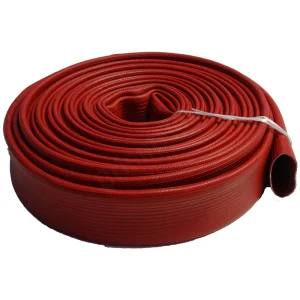
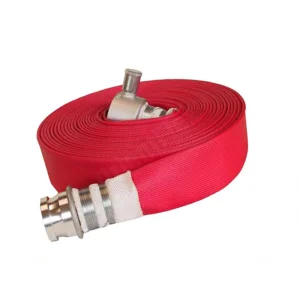
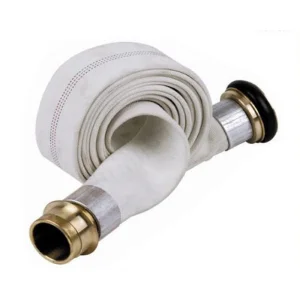
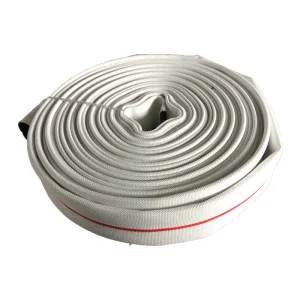
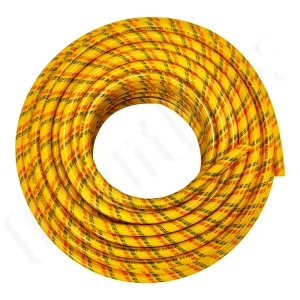
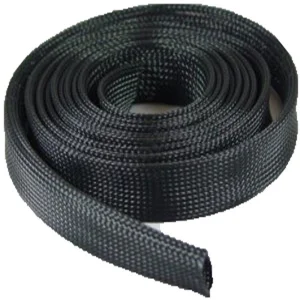
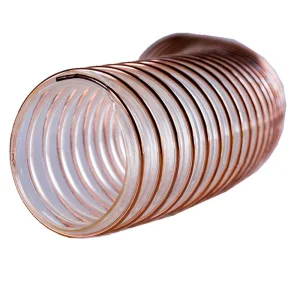
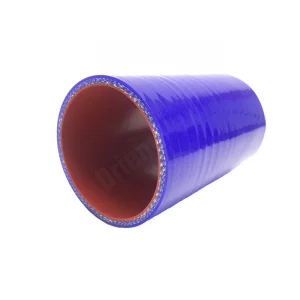
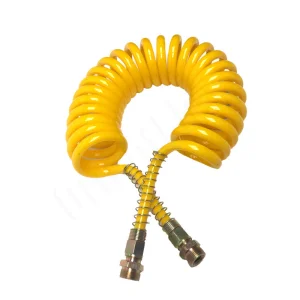
Rubber lined fire hose is designed to deliver water, foam, or other flame retardant materials. While its primary application is fire fighting, it is also highly versatile for other uses, such as wide-scale agriculture, mining operations, and the chemical industry.
Key Technical Features
1
Material Resilience:
Utilizes synthetic rubber lining for excellent low and high temperature resistance. It remains flexible in extreme cold without becoming brittle and withstands heat up to 80°C without softening.
2
Efficient Flow:
The smooth inner tube ensures water flow without barriers, allowing for high flow voltage and pressure efficiency.
3
End Protection:
Equipped with connectors and wire spirals. A protective cover is included at the ends to prevent wire damage to the hose body.
For long-distance water delivery, two hoses can be easily and quickly connected using a joint, ensuring the reach is sufficient for any project requirements.
Operation & Maintenance Guidelines
-
Joint Connection: When covering the joint, always pad the protective cover first, then secure it tightly with a wire or clamp.
-
Site Protection: Avoid contact with sharp objects and oil. If the hose must cross a road, utilize a protect bridge to prevent vehicle crushing and destruction.
-
Winter Care: Prevent freezing in cold climates. When not in use during winter, keep the water pump working slowly to maintain internal movement.
-
Cleaning & Storage: Clean thoroughly after use, especially after delivering foam which can damage rubber. Use warm water or soap to remove oil, then dry and coil the hose for storage.
Frequently Asked Questions
What industries use rubber lined fire hoses?
They are primarily used in fire fighting but are also ideal for agriculture, mining, and the chemical industry due to their durability.
What is the temperature range for these hoses?
The synthetic rubber lining allows the hose to function in extreme cold without being brittle and in high temperatures up to 80°C without softening.
How do you extend the length of the hose?
You can connect two hoses together quickly using a specialized joint, making it suitable for long-distance water delivery.
How should the hose be protected on a busy road?
Always use a protect bridge when the hose crosses a road to prevent vehicles from crushing and damaging the material.
How do you clean the hose after using fire-fighting foam?
It is essential to wash the hose well with warm water or soap to remove foam or oil residues that could damage the rubber, then dry it completely before coiling.
What prevents the wire spiral from damaging the hose?
A specific protective cover is placed on the ends of the hose to ensure the wire spiral does not harm the hose body during operation.
 Orient Flex