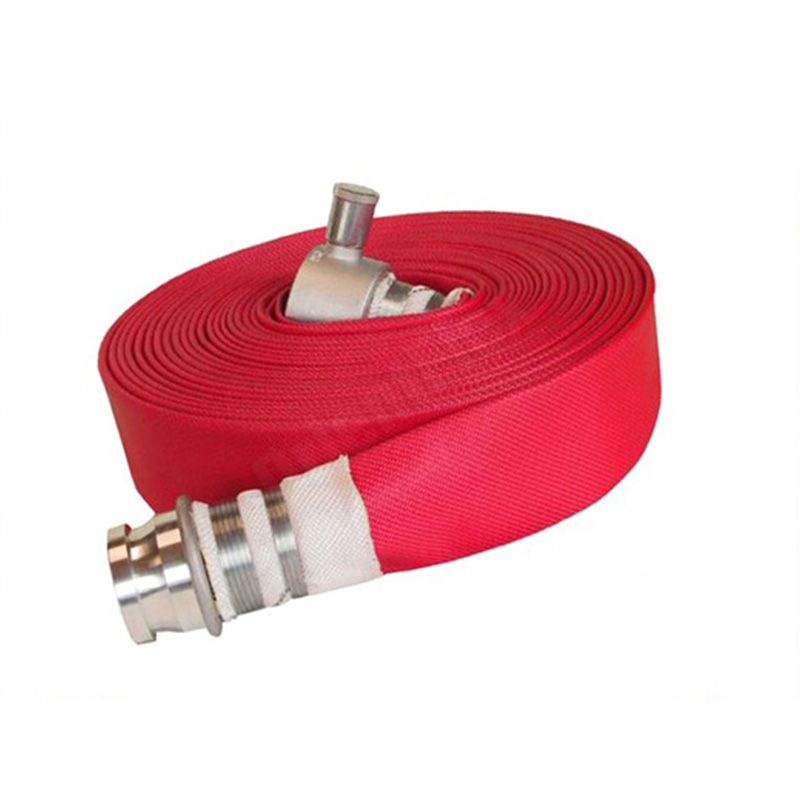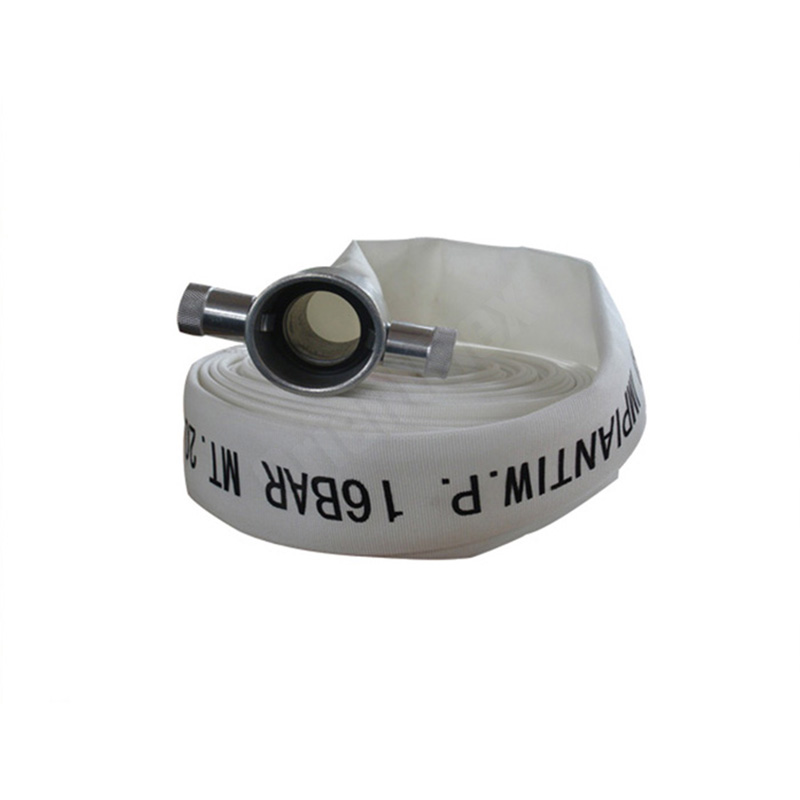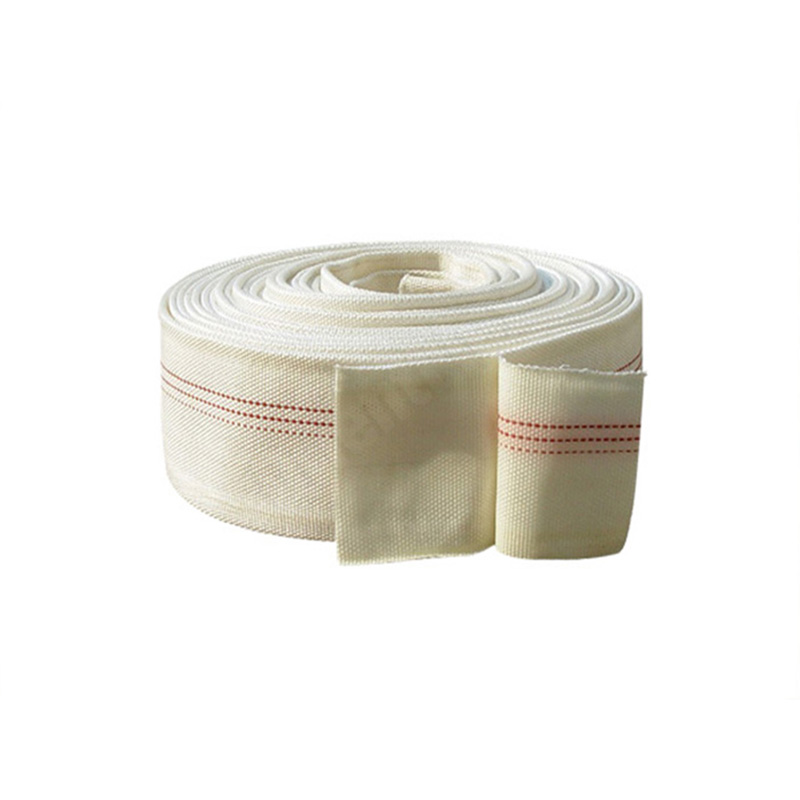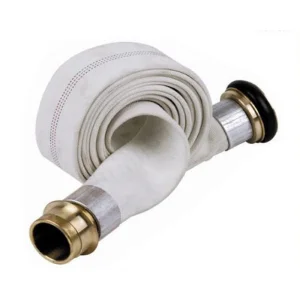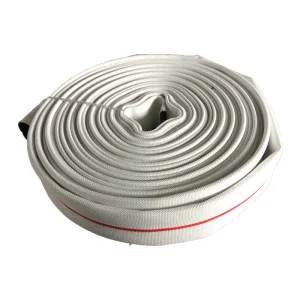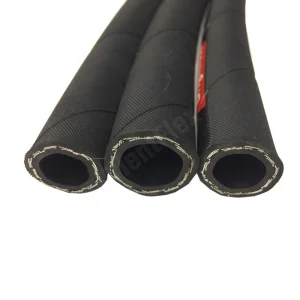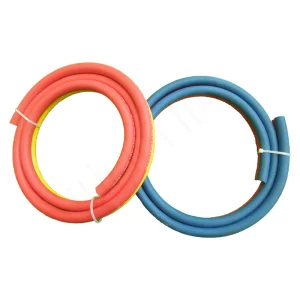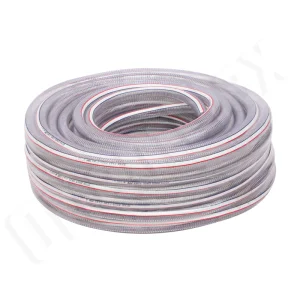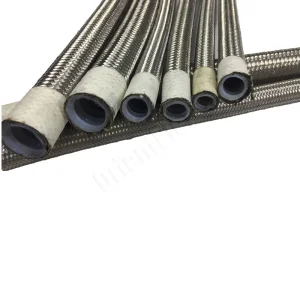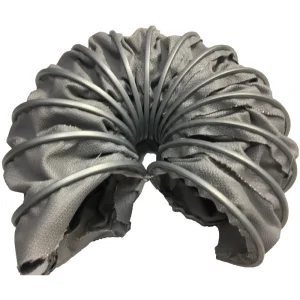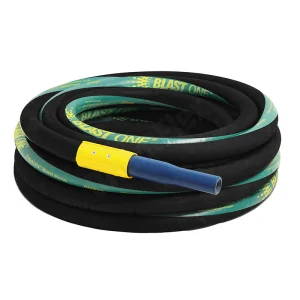
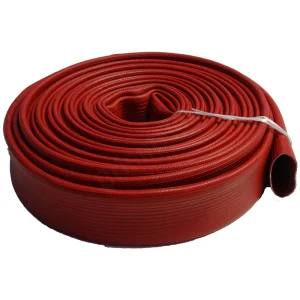
PU Lining is specially designed for fire fighting. However, it gradually serves in many other applications because it integrates many advantages. These include agriculture, forest, ship building, mine, and municipal industries.
It has excellent tear resistance, which is about 3 times that of natural rubber.
The high tensile polyester braid layer enables the hose to bear higher pressure, with a max working pressure of 2.5Mpa.
Excellent elasticity allows the fire hose to recover to its previous shape even after external crushing during usage.
Can work at 80℃ for a long time without property changes and remains flexible even at -40℃ without becoming brittle.
Strong aging resistance ensures a long service life, reducing change frequency and saving significant costs.
Resistant to acid, alkali, chemicals, and fuel oil. Wear resistance is 3-5 times higher than natural rubber.
Frequently Asked Questions
Q1: What are the main applications for PU lining hoses?
While designed for fire fighting, they are widely used in agriculture, forestry, shipbuilding, mining, and municipal services.
Q2: How durable is PU lining compared to natural rubber?
PU lining offers about 3 times the tear resistance and 3-5 times the wear resistance of natural rubber.
Q3: What is the maximum pressure the PU fire hose can handle?
Thanks to the high tensile polyester braid layer, the hose can withstand a maximum working pressure of 2.5Mpa.
Q4: Can the hose withstand extreme weather conditions?
Yes, it operates effectively at 80℃ for long periods and remains flexible at temperatures as low as -40℃.
Q5: Does the PU lining react with chemicals or oil?
No, it has excellent corrosion resistance against acids and alkalis, and it is highly resistant to fuel and non-mineral oils.
Q6: Is the fire hose easy to handle and recycle?
Yes, the hose is designed to be flexible and lightweight, making it easy to carry, operate, and recycle.