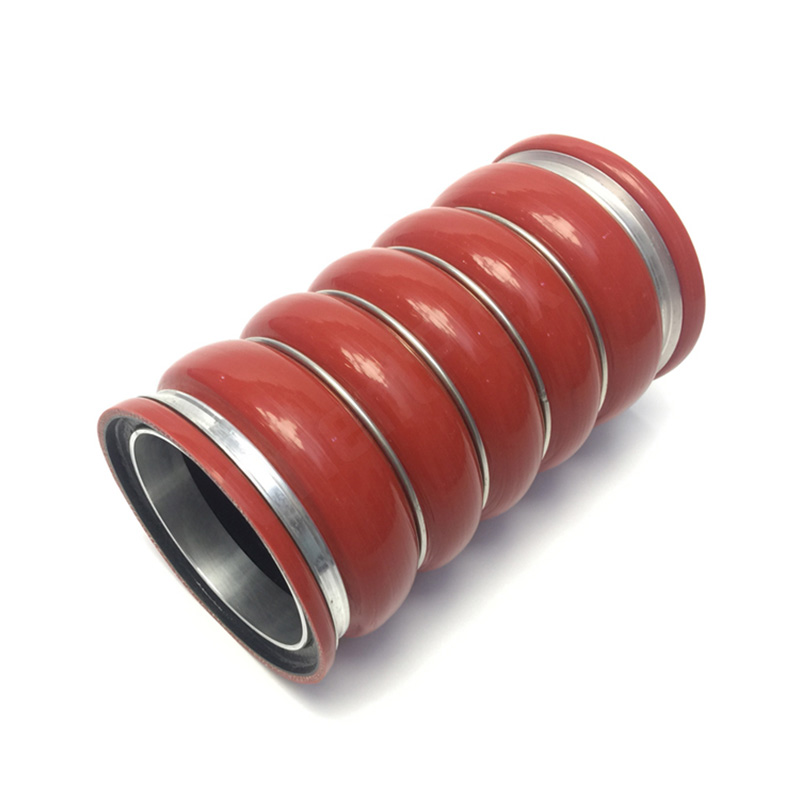
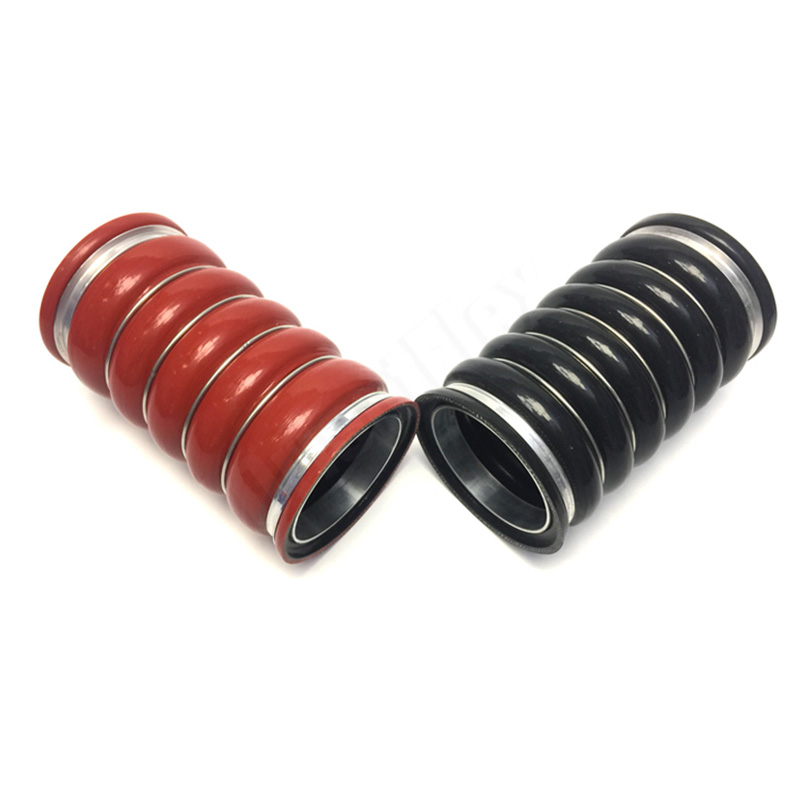
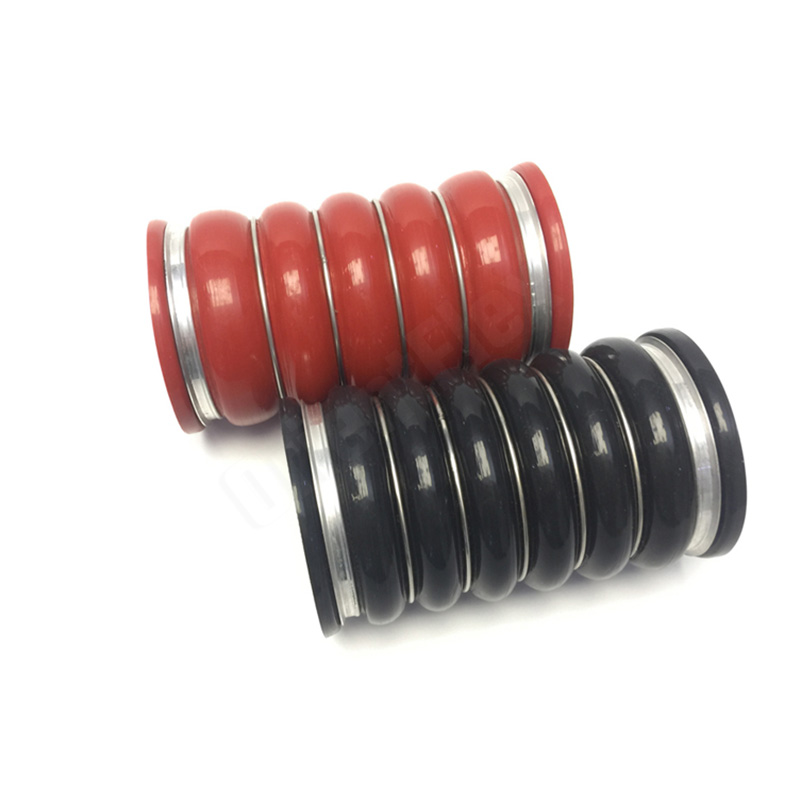
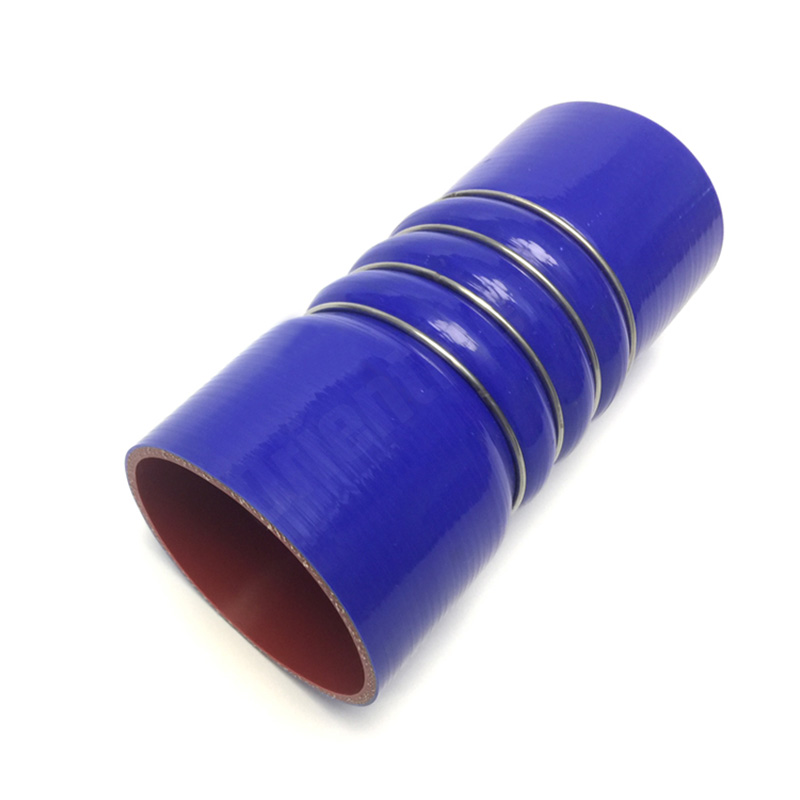
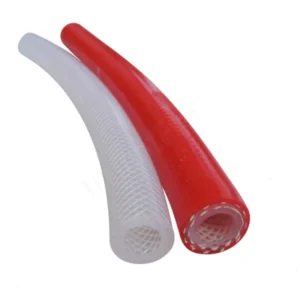
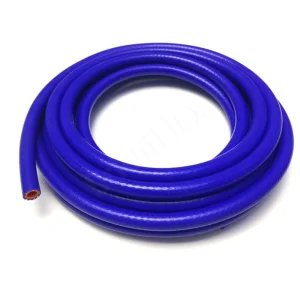
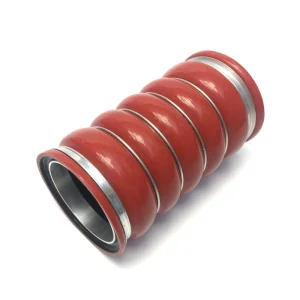
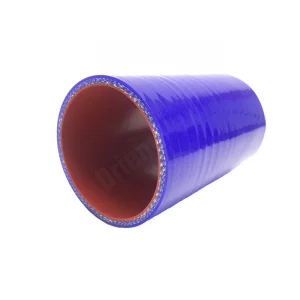
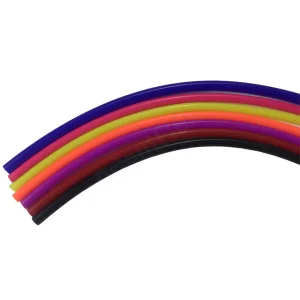
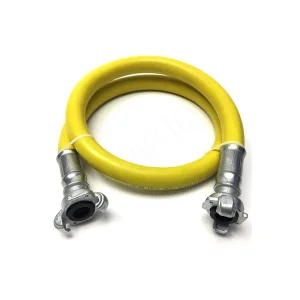
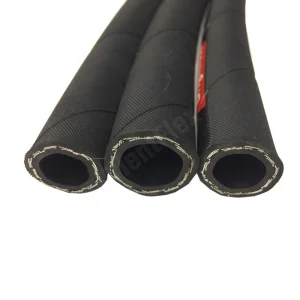
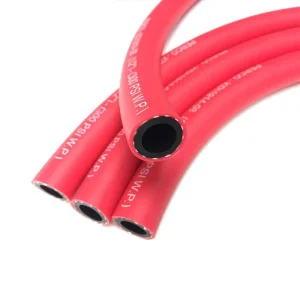
Silicone pump hose is designed to compensate for displacement and shock between pipes. When high torque occurs, this hose effectively absorbs the resulting shock. Additionally, it compensates for misalignments between hoses and pipes. It is widely utilized in steering power, coolant, brake, and turbo systems in automobiles, and is equally suitable for buses, trucks, racing cars, and ships. Essentially, it is applicable anywhere an engine is present.
Important Application Note: Hump hoses are exclusively designed for water, gas, and coolant transfer. They should never be used to transfer oil or fuel.
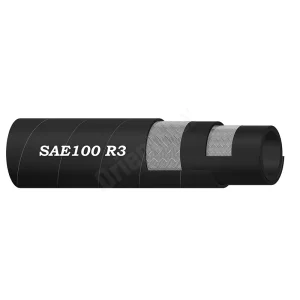
The pressure capacity of the hose is determined by its reinforcement. Polyester yarn not only provides superior pressure resistance but also maintains flexibility. Consequently, a 4-layer hump hose can withstand higher pressures than other configurations, even when a 3-layer hose might appear thicker.
1. High and Low Temperature Resistance
Silicone hoses operate reliably within a range of -40°C to 220°C. They can withstand 150°C for long-term use and over 10,000 hours at 220°C. For short durations, they can even tolerate temperatures up to 300°C.
2. Nontoxic and Eco-friendly
As a recognized safe material, silicone does not release unpleasant odors or toxic substances, even at high temperatures. It is environmentally friendly and requires no additional paint.
3. Flame Retardant and Insulation
Beyond its natural high-temperature resistance, the hose is flame retardant, meaning it will self-extinguish once removed from a fire source. It also provides excellent electrical insulation.
4. Durable Physical Properties
The material offers exceptional tear resistance, aging resistance, and light chemical resistance, ensuring a long service life.
❓ Frequently Asked Questions
What is the primary function of a silicone hump hose?
It is primarily used to compensate for displacement, absorb shock between pipes (especially during high torque), and correct misalignments between hose connections.
Can silicone hump hoses be used for fuel lines?
No. These hoses are suitable only for water, gas, and coolant. They must never be used to transfer oil or fuel.
What temperature range can these hoses withstand?
They can operate from -40°C to 220°C consistently. They are rated for 10,000+ hours at 220°C and can handle brief exposures up to 300°C.
Why is a 4-layer hose better than a 3-layer hose?
Pressure resistance is determined by the reinforcement layers (polyester yarn). A 4-layer construction provides higher pressure capacity and better durability than a 3-layer version, regardless of physical thickness.
Is silicone hose safe for the environment?
Yes, silicone is nontoxic and eco-friendly. It does not release toxic substances or odors even under heat and does not require environmental pollutants like paint for finishing.
Does the hose provide any safety features against fire?
Yes, silicone hump hoses are flame retardant and will extinguish themselves once away from an open flame. They also offer excellent electrical insulation.
 Orient Flex