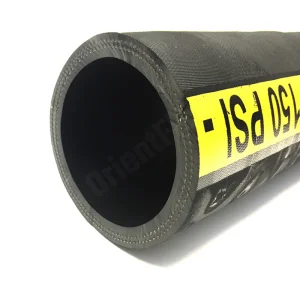
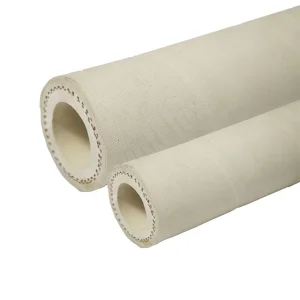
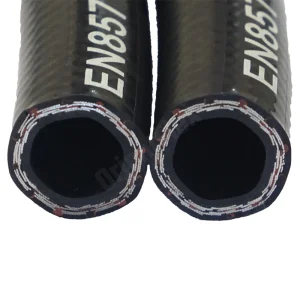
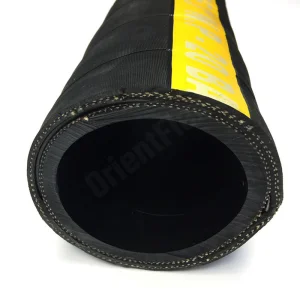
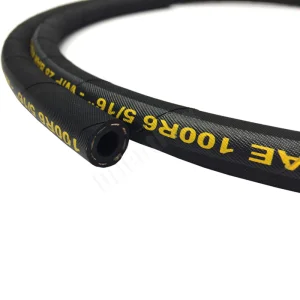
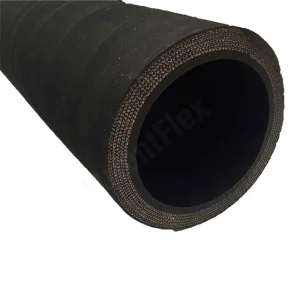
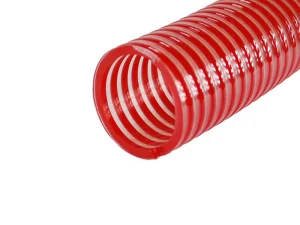
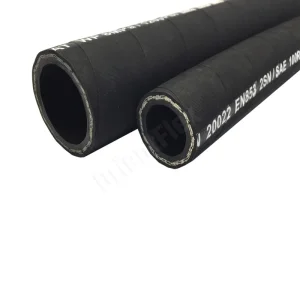
In the modern era of industrial automation, the demand for high-performance flexible garden hoses and industrial fluid transfer solutions has surged. Global supply chains are shifting toward localized, high-quality manufacturing partners who can provide not just products, but comprehensive engineering solutions.
As businesses seek to mitigate supply chain risks, partnering with an established OEM/ODM manufacturer like Hebei Orient Rubber & Plastic Co., Ltd. becomes a strategic advantage. Our role extends beyond manufacturing; we act as technical consultants for fluid handling across sectors including agriculture, mining, food processing, and hydraulic systems.
Established in 2010, Hebei Orient has evolved from a small team of 10 into a powerhouse of industrial manufacturing. We integrate R&D, production, and international logistics. Our growth trajectory is defined by a commitment to upgrading advanced equipment and embracing strict quality control standards, ensuring every meter of hose meets international benchmarks.
Experience: With over 14 years in the sector, we possess deep institutional knowledge of material science—understanding the exact polymer blends needed for extreme temperature resistance, chemical inertness, and durability.
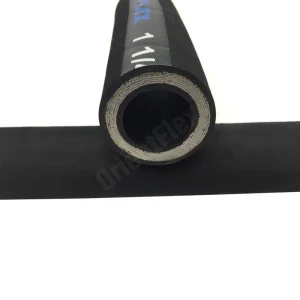
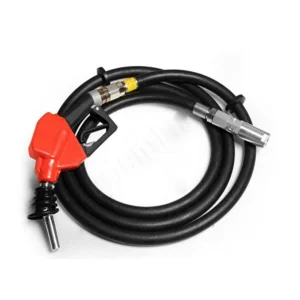
Expertise: Our production line spans five major series: industrial hoses, thermoplastic, hydraulic, silicone, and automotive hoses. This breadth allows us to solve complex fluid transport challenges.
Authority & Trust: We operate under ISO 9001, ISO 14001, CE, FDA, and REACH certifications. We are not just a vendor; we are a verified partner for companies requiring compliance-grade manufacturing.
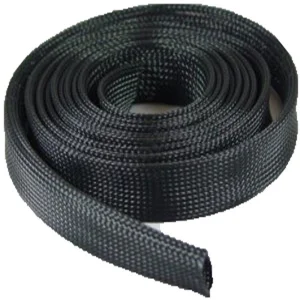
We provide full-cycle customization—from material formulation to specific braiding reinforcements and branding. Our ability to scale from small custom batches to 100+ containers per month ensures agility for diverse procurement needs.
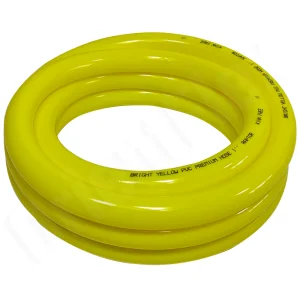
We adhere to strict FDA and international safety standards. Our food-grade PVC and rubber lines undergo rigorous leaching and toxicity tests to ensure zero contamination, making them ideal for the dairy, beverage, and processing industries.
It involves consultation on application environment (pressure, fluid type, temperature), material selection, prototyping, performance testing (burst, aging, abrasion), and final mass production with standardized QC protocols.
 Orient Flex