 Orient Flex
1 / 3
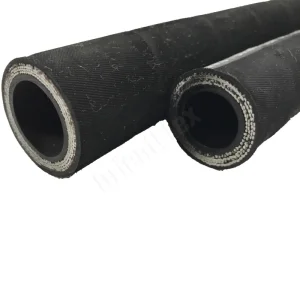
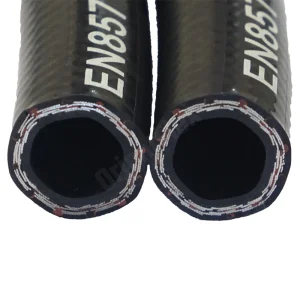
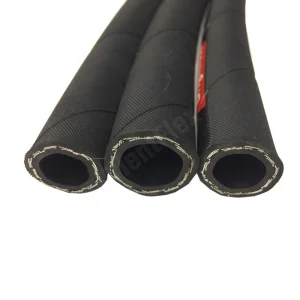
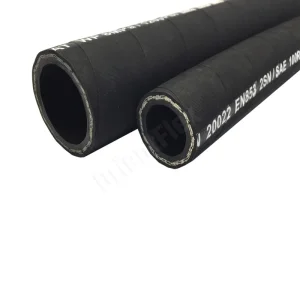
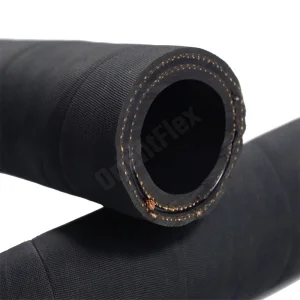
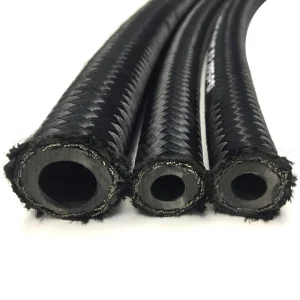
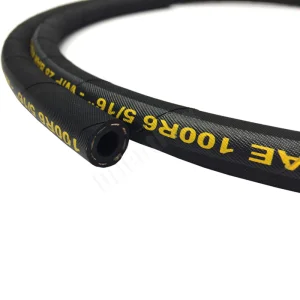
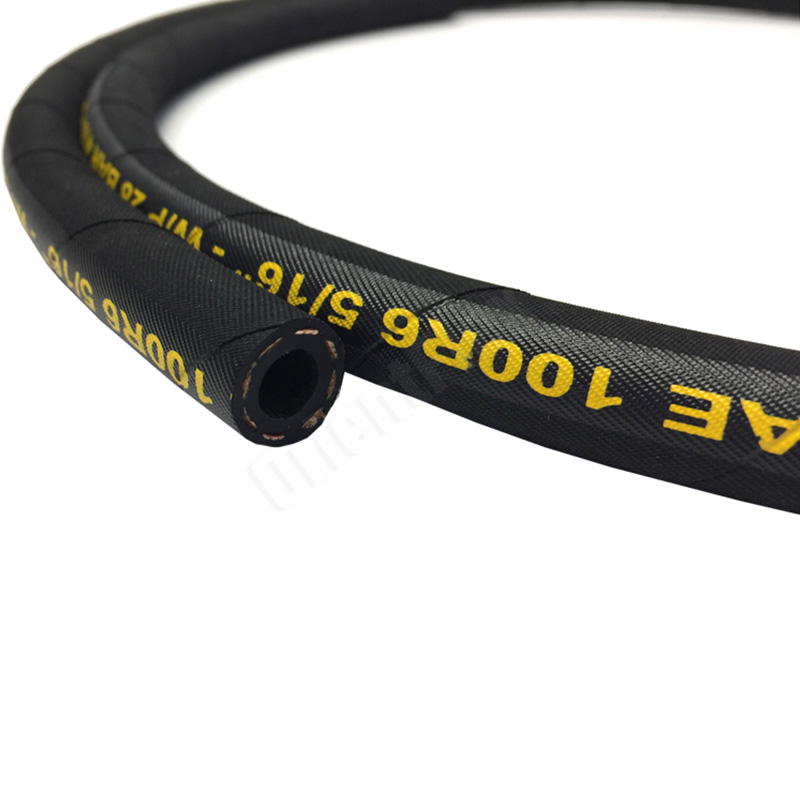
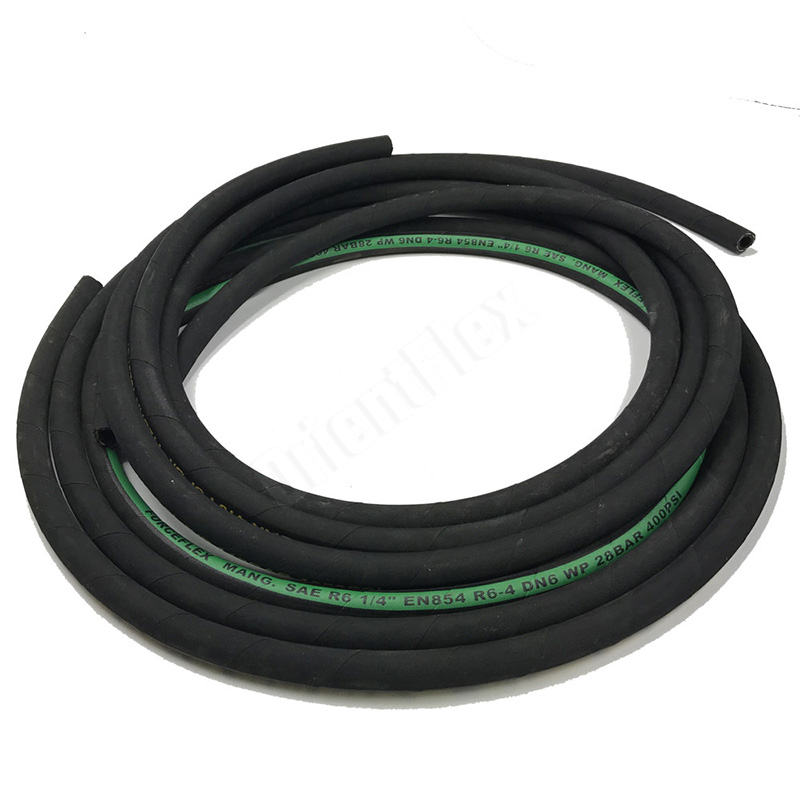
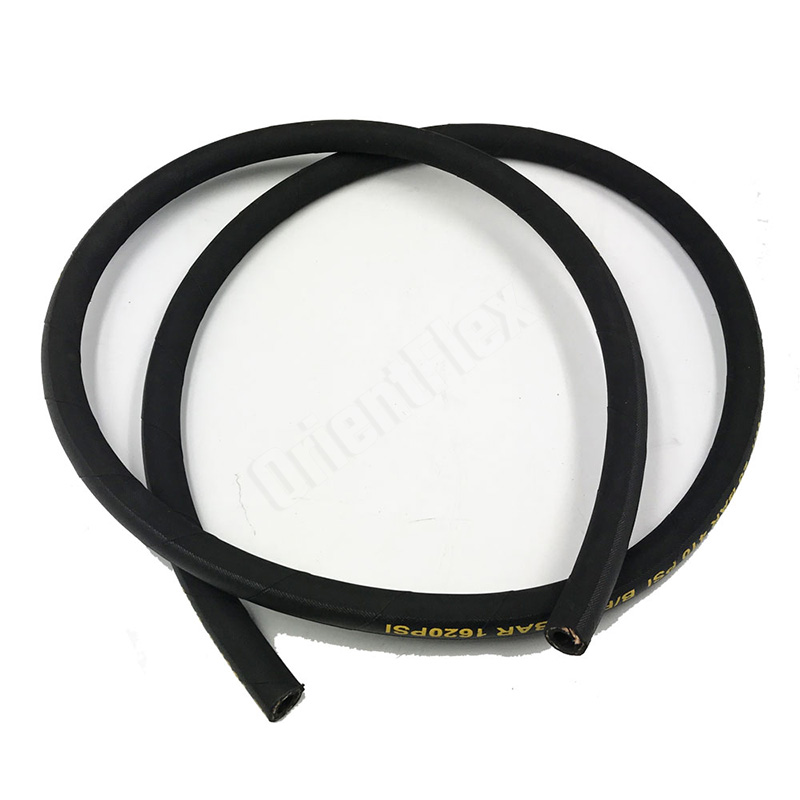
Hydraulic hose SAE 100 R6 is designed to deliver hydraulic oil, liquid, as well as gas. It can efficiently transfer petrol-based liquids such as mineral oil, hydraulic oil, fuel oil, and lubricants, while also being suitable for water-based liquids.
It is ideal for all hydraulic systems in oil, transport, metallurgy, mining, and forestry. In essence, it is the perfect choice for all medium-pressure applications.
Road rollers, trailers, blenders, and pavers.
Tower cranes and lift machines.
Cars, trucks, tankers, trains, and airplanes.
Spray cars, street sprinklers, and street sweepers.
Offshore drilling platforms, boats, barges, and container vessels.
Tractors, harvesters, excavators, and stone breakers.
Different from SAE 100 R2, the SAE 100 R6 is specifically engineered for low-pressure use. This is because it features a single layer of fiber braid. The maximum working pressure of this hose is 3.5 Mpa.
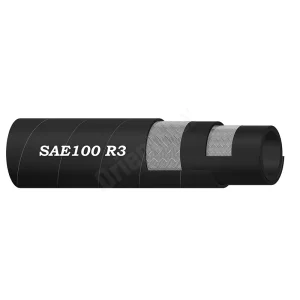
In terms of structure, it is similar to SAE 100 R3. However, the key difference lies in the reinforcement: SAE 100 R3 features 2 layers of fiber, whereas SAE 100 R6 has only one.
The general reason for cracking is bending the hose in cold weather. If this occurs, immediately check if the inner tube is cracked. If it is, replace the hose immediately. It is recommended not to move hydraulic hoses in extreme cold; if necessary, handle them indoors.
You may encounter leakage even if the hose surface is not visibly broken. This usually happens when the inner tube is damaged while delivering high-pressure fluid, typically in the bend sections. Ensure the hose meets the specific requirements for the bend radius, otherwise, a replacement is necessary.