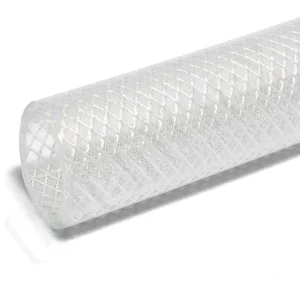
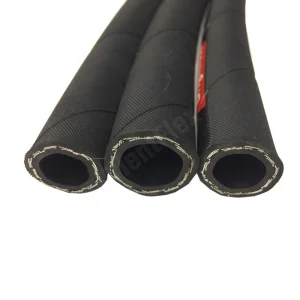
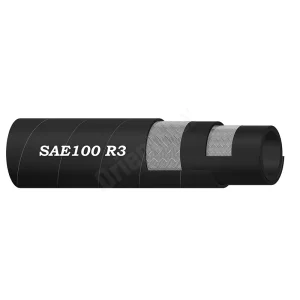
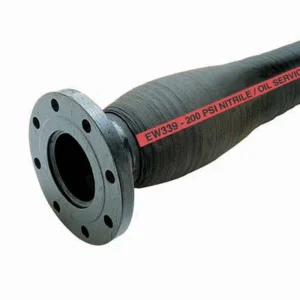
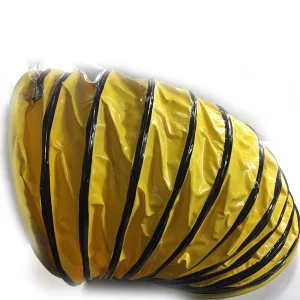
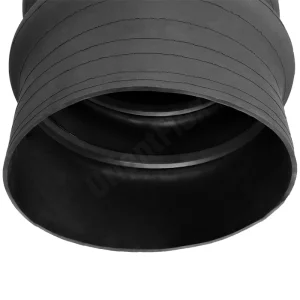
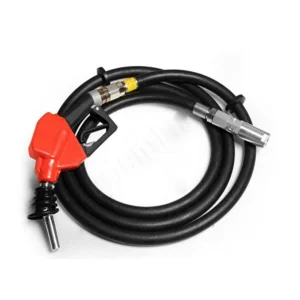
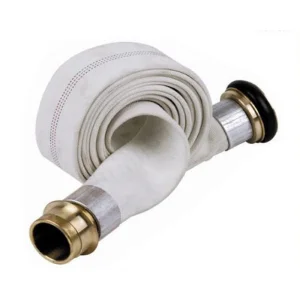
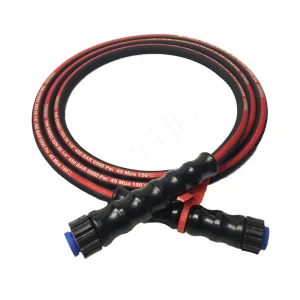
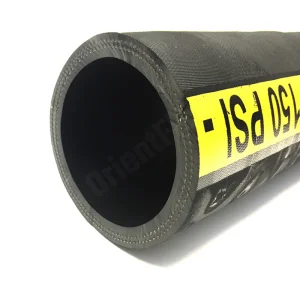
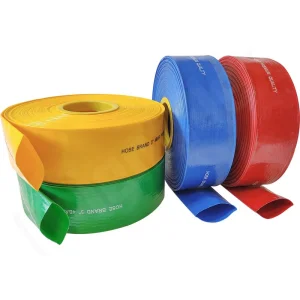
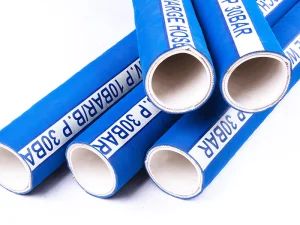
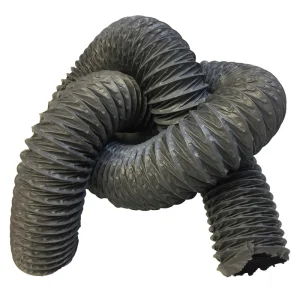
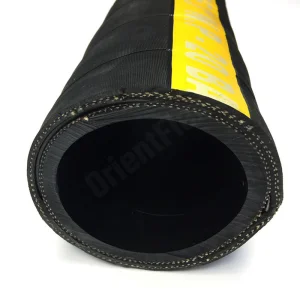
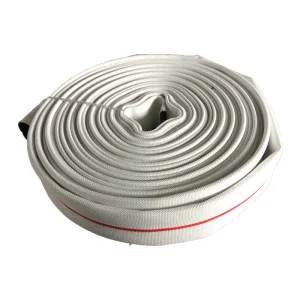
In the modern industrial landscape, "Oil Resistance" is more than a marketing term; it is a critical engineering specification. As an OEM manufacturer, we understand that petroleum-based fluids, lubricants, and fuels cause rapid degradation in standard rubber compounds. Our hoses utilize advanced synthetic elastomers (such as Nitrile/NBR, FKM/Viton, and specialized CPE) designed to resist swelling, permeation, and hardening—the three primary failure modes of hydraulic and fuel transfer lines.
The global hose market is undergoing a seismic shift towards "Durability-as-a-Service." Industry 4.0 demands hoses that can survive not just higher pressures (reaching 20,000 PSI in specialized applications) but also fluctuating temperatures and environmental stressors. Manufacturers are increasingly moving towards:
Our engineering approach follows a strict 3-stage validation process:
Years of Expertise
Types of Hoses
Containers/Month
Established in 2010, we have evolved from a focused manufacturing unit into a comprehensive group company as of 2023. Our growth trajectory is a testament to our commitment to innovation, quality, and supply chain reliability.
ISO 9001, ISO 14001, CE, FDA, and REACH certified processes ensure global compliance.
Over 180 skilled professionals and production capabilities reaching 100 containers per month.
A: Water hoses utilize natural or SBR rubber which swells and degrades rapidly when exposed to hydrocarbons. Our oil-resistant hoses use NBR (Nitrile Butadiene Rubber) or synthetic equivalents which are non-reactive to oil-based chemicals, ensuring no structural breakdown.
A: Yes, we specialize in OEM/ODM. We can customize the inner tube compound, reinforcement braid density, and the outer cover for specific abrasion and weather resistance requirements.
 Orient Flex