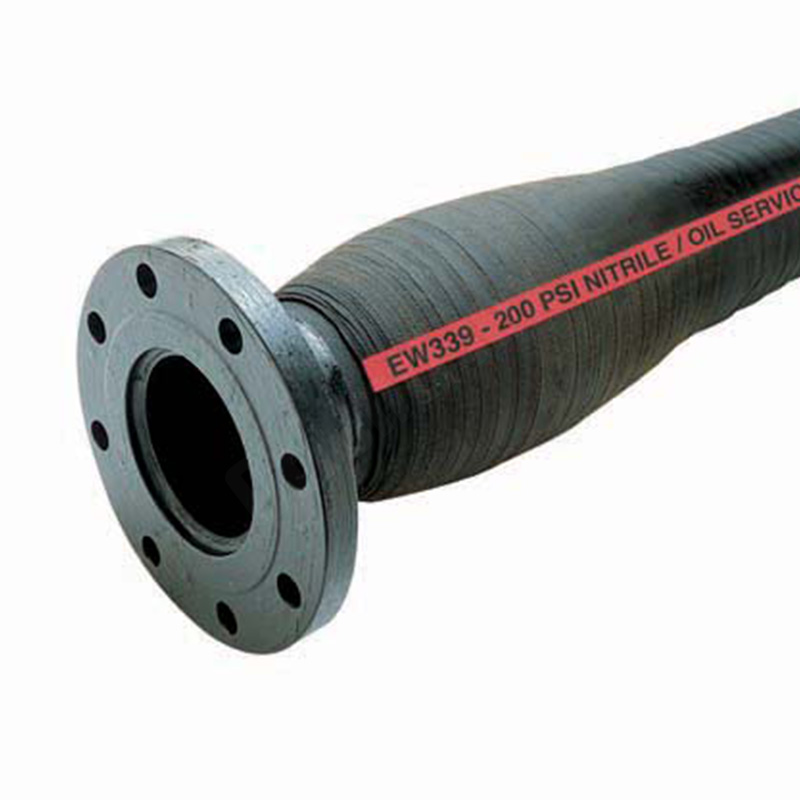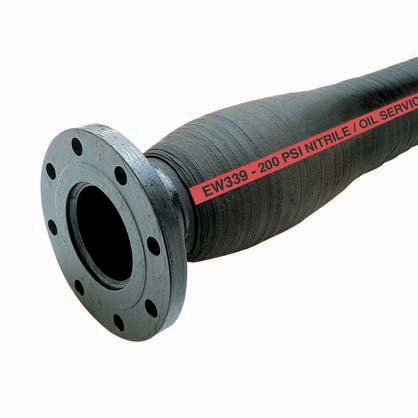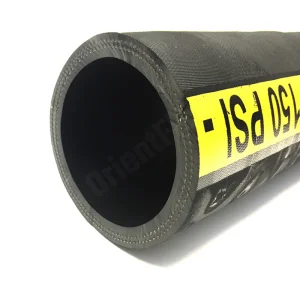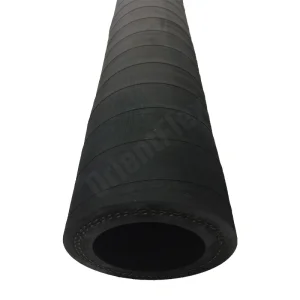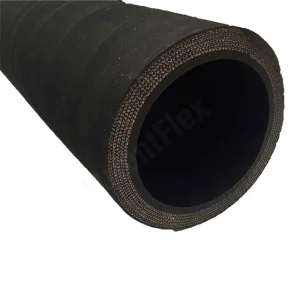
Dock hose is mainly to transfer oil products such as gasoline and diesel. It’s suitable for the oil products that with a aromatic content over 50%. While it’s mainly used in oil tanker, barge and oil tank. Dock hose can serve as the oil line between dock and ship. It can also work among ships. Beside, it can work under the water.
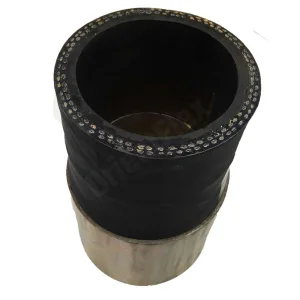
Dock hose is better for heavy duty use. The work condition is really tough. As the hose is pulled and pushed by the water, it must be flexible. Carbon steel flanges offer the hose a good connection, making it immune to tough conditions.
There are 2 main oil hoses at dock: the rubber dock hose and the composite hose. The rubber dock hose is the main hose in dock anchorage ground, while the composite hose serves as an assistant.
The medium at dock is generally gasoline, diesel, jet fuel and chemical. One hose can only serve for one medium.
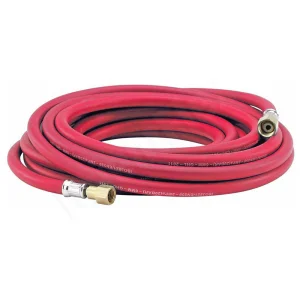
Work Pressure: 1-7 bar
Temperature: Up to 90℃
Aromatic Content: > 50%
Frequently Asked Questions
Q: What are the primary applications of a dock hose?
A: It is mainly used in oil tankers, barges, and oil tanks to transfer products like gasoline and diesel between docks and ships, among ships, or even underwater.
Q: Can dock hoses handle high aromatic content?
A: Yes, they are suitable for oil products with an aromatic content exceeding 50%.
Q: Why are dock hoses considered heavy-duty?
A: They are designed for tough conditions where the hose is constantly pulled and pushed by water, requiring both flexibility and strength.
Q: What is the purpose of carbon steel flanges on these hoses?
A: Carbon steel flanges provide a secure and robust connection that allows the hose to remain immune to harsh working environments.
Q: What is the difference between rubber dock hoses and composite hoses?
A: Rubber dock hoses are the primary choice for dock anchorage grounds, while composite hoses are generally used as secondary or assistant equipment.
Q: What are the typical pressure and temperature ratings?
A: The working pressure ranges from 1 to 7 bar, and the medium temperature can go up to 90℃.