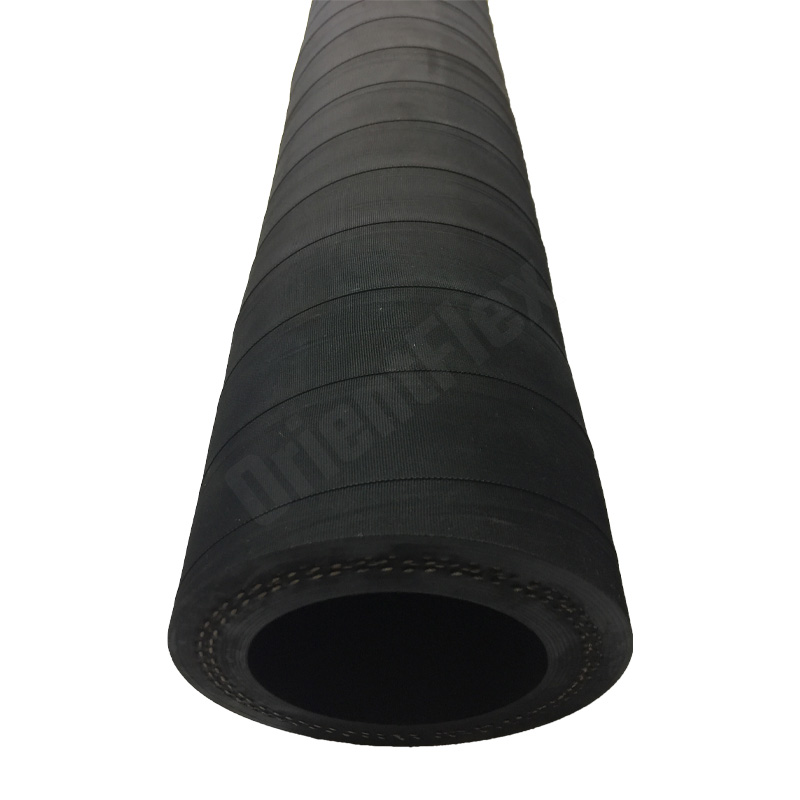
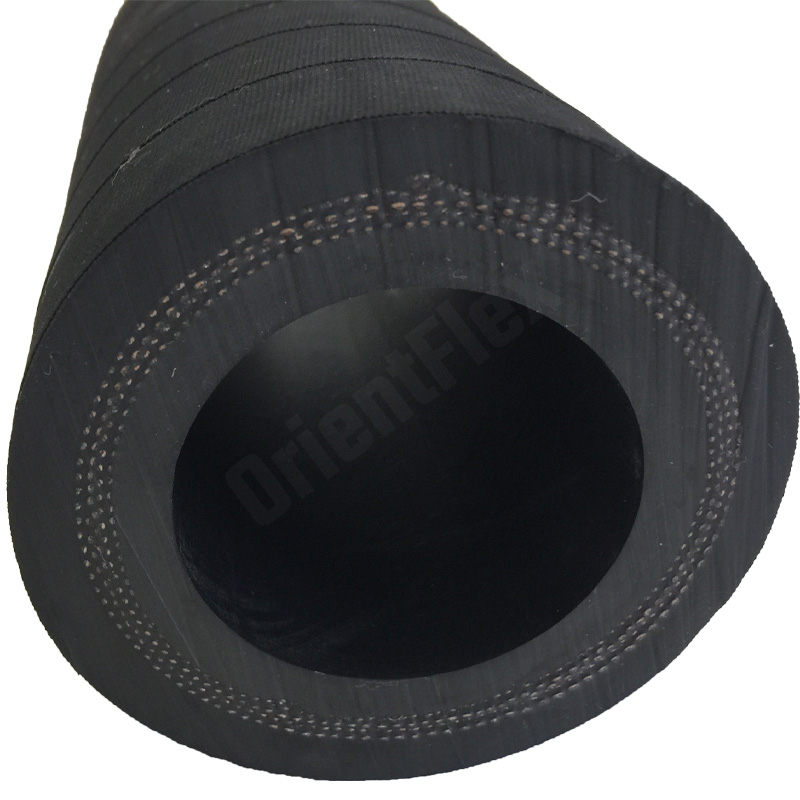
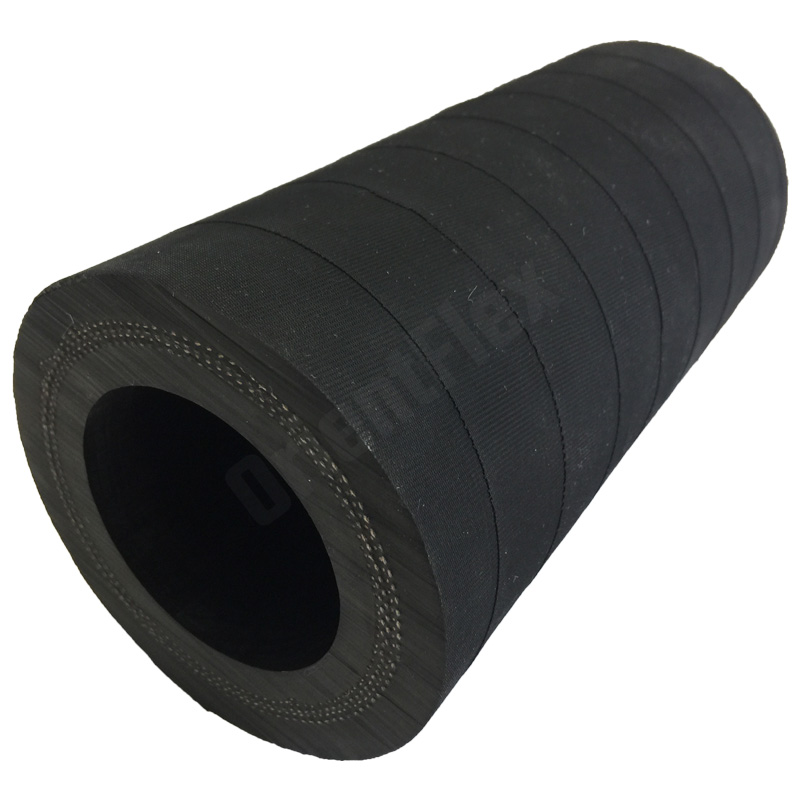
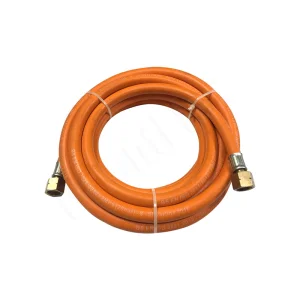
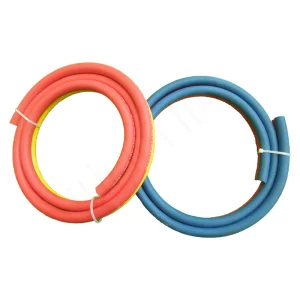
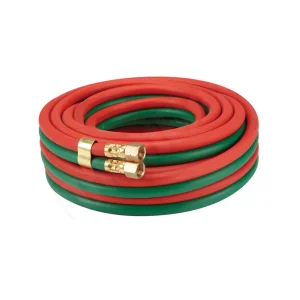
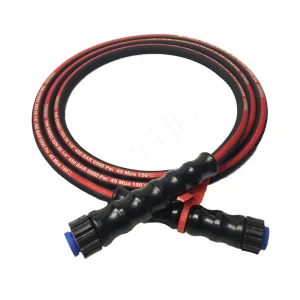
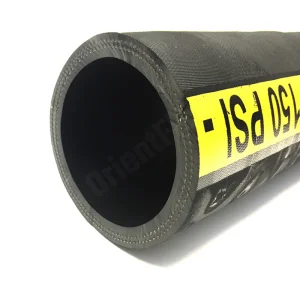
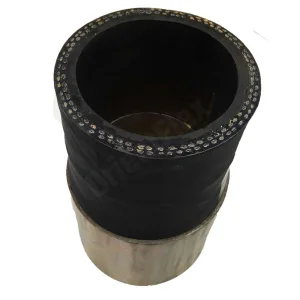
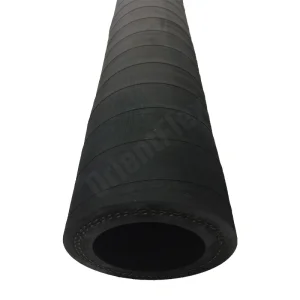
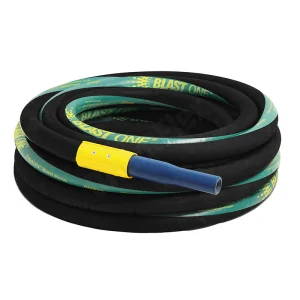
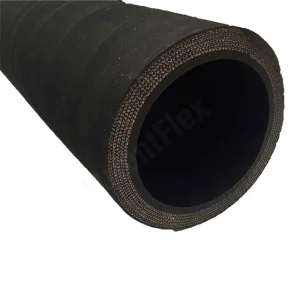
Peristaltic pump hose is specially designed for peristaltic pump. In industry, it is used for wasted water, paper making and paint. While in tunnel applications, it’s used to deliver slurry and mud. In mining, it’s essential to transfer ores such as rare earths. In the food process, it transfers all kinds of food and beverage as well as fruit jam.
How It Works
Peristaltic hose is suitable for liquid transfer by delivering the liquid from one side to another. The mechanism mimics clamping the hose with your finger and pulling the liquid forward. In practice, a wheel replaces the finger. By controlling the reel speed, you can precisely manage the flow rate.
Excellent Elasticity
The hose must possess excellent elasticity to return to its previous shape after the wheel pulls the liquid forward. This ensures consistent flow accuracy.
Abrasion Resistant
Designed to be extremely wear-proof, these hoses withstand constant wheel friction, reducing repair needs and preventing flow inaccuracies caused by wear.
Pressure Resistant
Engineered for tough conditions, these hoses can handle high pressure, generally working effectively at up to 16 bar.
Corrosion Resistant
They offer excellent resistance to corrosive chemicals and various mediums encountered during industrial pump work.
Service Life: Peristaltic hoses are consumables. General service life is 10-30 days, while heavy-duty use may require replacement in 5-7 days. Advanced manufacturing techniques can extend this service life to about 2 months.
Frequently Asked Questions
What industries use peristaltic pump hoses?
They are widely used in wastewater treatment, paper making, paint manufacturing, tunnel construction (for slurry/mud), mining (for ores), and the food and beverage industry.
How does a peristaltic hose control liquid flow?
The flow is controlled by adjusting the speed of the reel or wheel that compresses the hose, mimicking a clamping motion that moves liquid forward.
Why is wear resistance important for these hoses?
Since wheels constantly wear against the hose, extreme wear-resistance reduces the frequency of repairs and prevents inaccuracies in flow rate caused by over-wear.
What is the standard pressure capacity?
Most peristaltic pump hoses are designed to operate under tough conditions and can generally handle pressures up to 16 bar.
How often should I replace the hose?
Replacement depends on usage: 10-30 days for general use and 5-7 days for heavy-duty tasks. High-quality hoses with advanced formulas can last up to 2 months.
Can these hoses handle chemical substances?
Yes, they are specifically designed with corrosion resistance to handle various chemicals and corrosive mediums during pump operations.
 Orient Flex