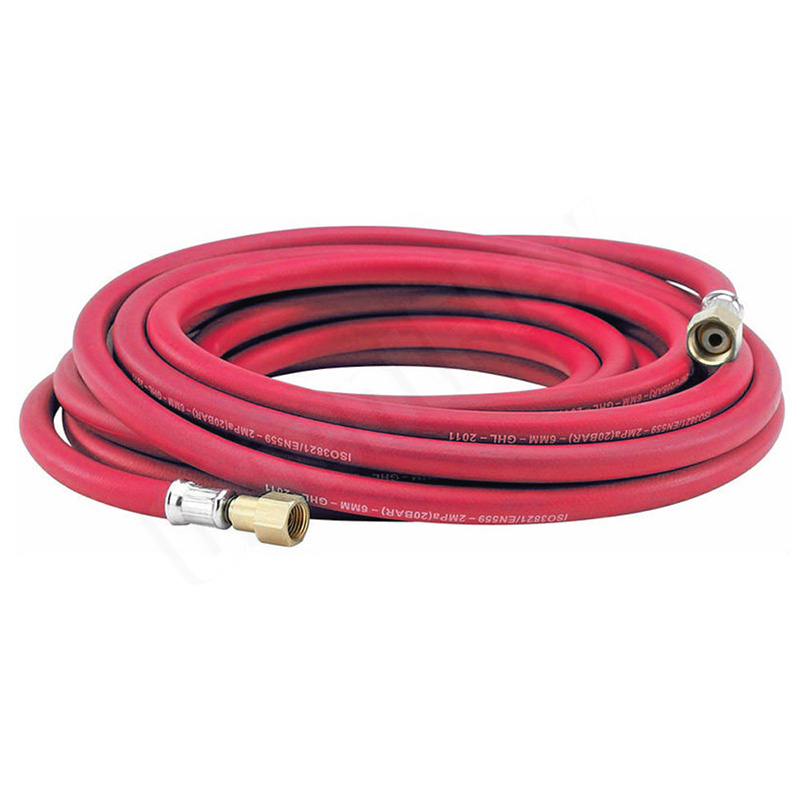
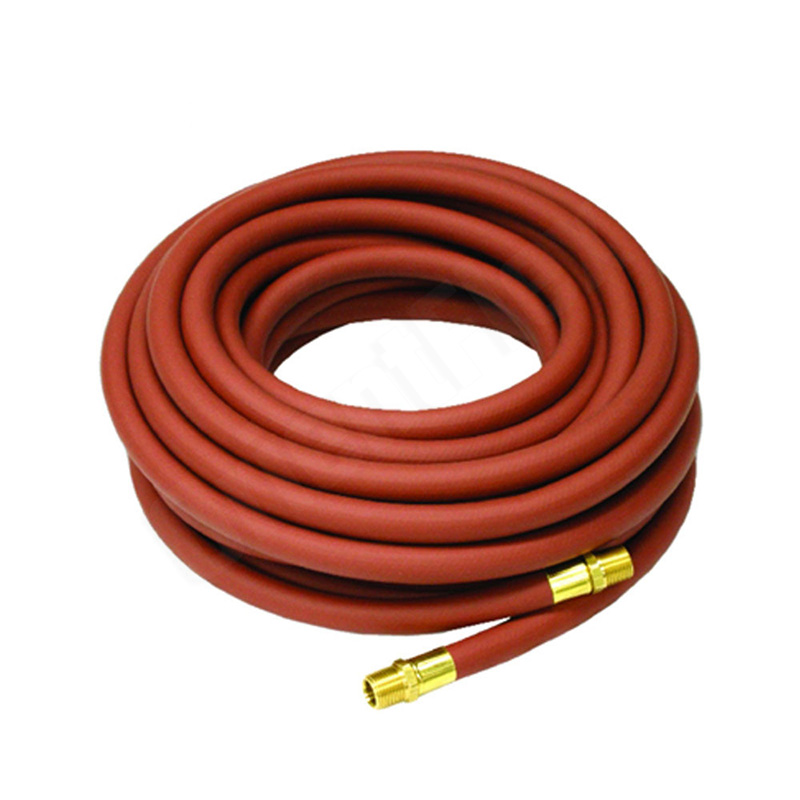
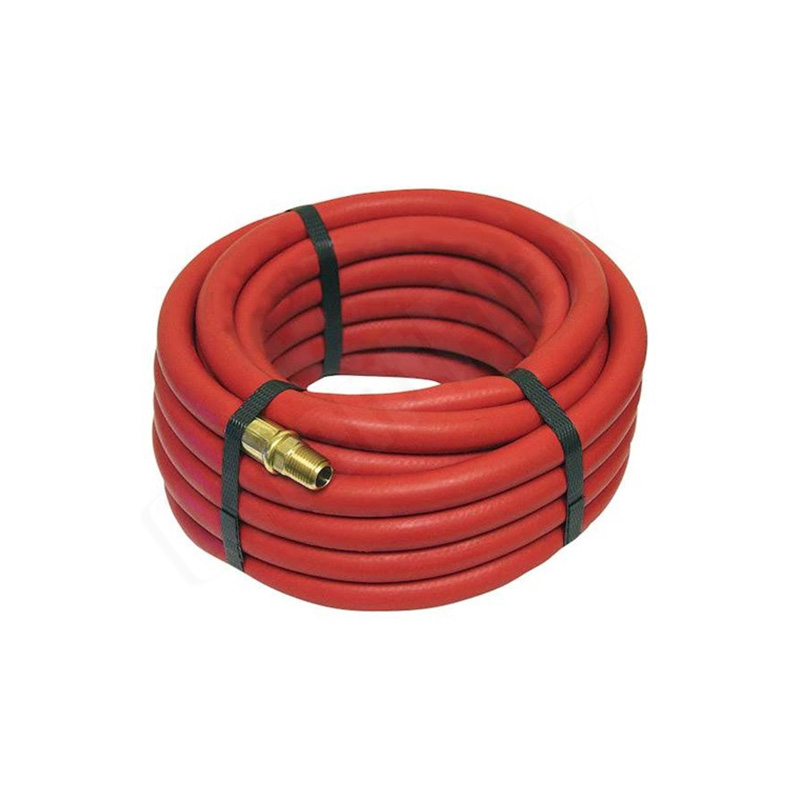
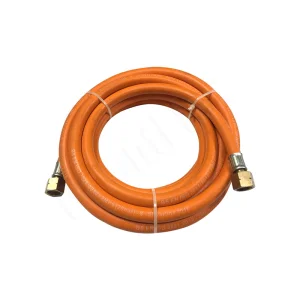
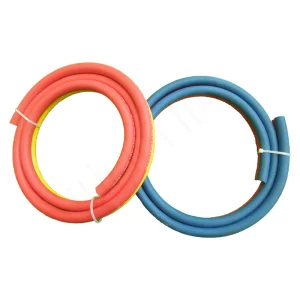
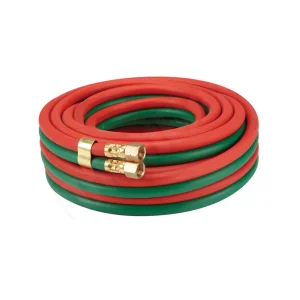
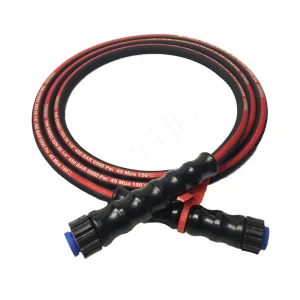
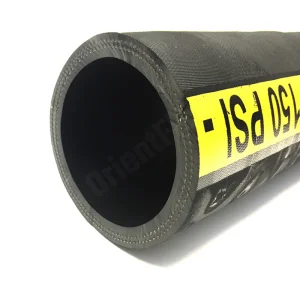
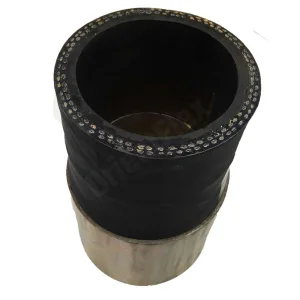
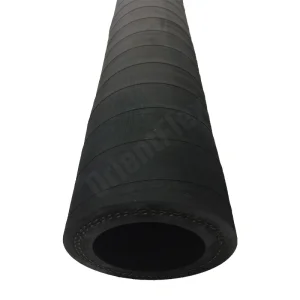
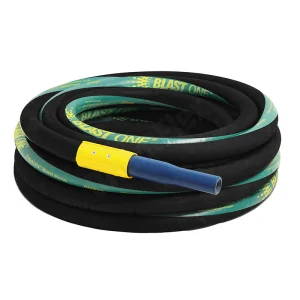
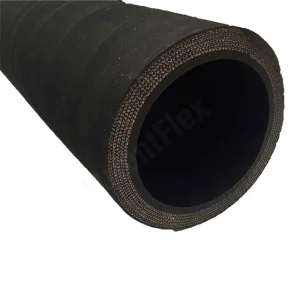
Acetylene hose is specially used in welding to supply inflammable gases such as fuel gas and acetylene. It is usually used together with an oxygen hose. Besides welding, it is also suitable for ship building, machine production, and many others. The hose absorbs special synthetic rubber, thus it has excellent aging resistance and a longer service life. Special processed cord provides excellent pressure resistance, withstanding up to 300 psi. Additionally, the bonding between the reinforcement and tube is strong and stable, ensuring no separation.
Reasons That Cause Acetylene Hose Fire
As the hose is used to transfer inflammable gases, improper handling can lead to serious fire accidents. Common reasons include:
- Fire Return: The fire returns and ignites the gas inside the hose.
- Gas Mixture: Oxygen and acetylene combine within the hose, causing bursts and fire.
- Maintenance Issues: Wear, corrosion, or poor maintenance cause the hose to age, weaken, or leak.
- Contamination: Presence of oil or static on the hose surface.
- Quality Issues: Low-quality hose construction.
How to Use Acetylene Hose Safely
🛡️
1. Environmental Protection: Prevent the hose from direct sunlight and rain. Keep it away from oil, acid, and alkali, as these substances can directly degrade the hose material.
🧹
2. Cleanliness: Before using a new hose, clean the dirt inside to prevent blockage. Also, avoid external extrusion and mechanical damage during operation.
⚠️
3. Separation: Never use oxygen and acetylene hoses interchangeably. Regularly check for leakages and blockages to ensure that oxygen does not mix with acetylene.
🚫
4. Immediate Replacement: Once a fire returns to the hose, do not use it again. You must replace it with a new one, as the fire can damage the inner tube, significantly reducing safety.
Frequently Asked Questions (FAQ)
Q1: What is the main purpose of an acetylene hose?
A: It is primarily used in welding applications to safely transfer fuel gases like acetylene, often in conjunction with an oxygen hose.
Q2: What is the pressure rating for these hoses?
A: Our high-quality acetylene hoses are designed to withstand pressures up to 300 psi, ensuring reliable performance in industrial environments.
Q3: Can I swap oxygen and acetylene hoses?
A: No, you should never interchange them. Using the wrong hose can lead to gas mixing, which creates a high risk of explosion and fire.
Q4: How should I store the hose when not in use?
A: Store the hose in a cool, dry place away from direct sunlight, rain, and chemicals like oil or acids to prevent premature aging and material degradation.
Q5: What should I do if a flashback (fire return) occurs?
A: If fire enters the hose, stop using it immediately. The heat can compromise the structural integrity of the inner tube, making it unsafe for future use. Replace it with a new hose.
Q6: How often should I check the hose for damage?
A: Regular inspections should be conducted before every use. Check for signs of wear, corrosion, leakages, or physical blockages to maintain workplace safety.
 Orient Flex