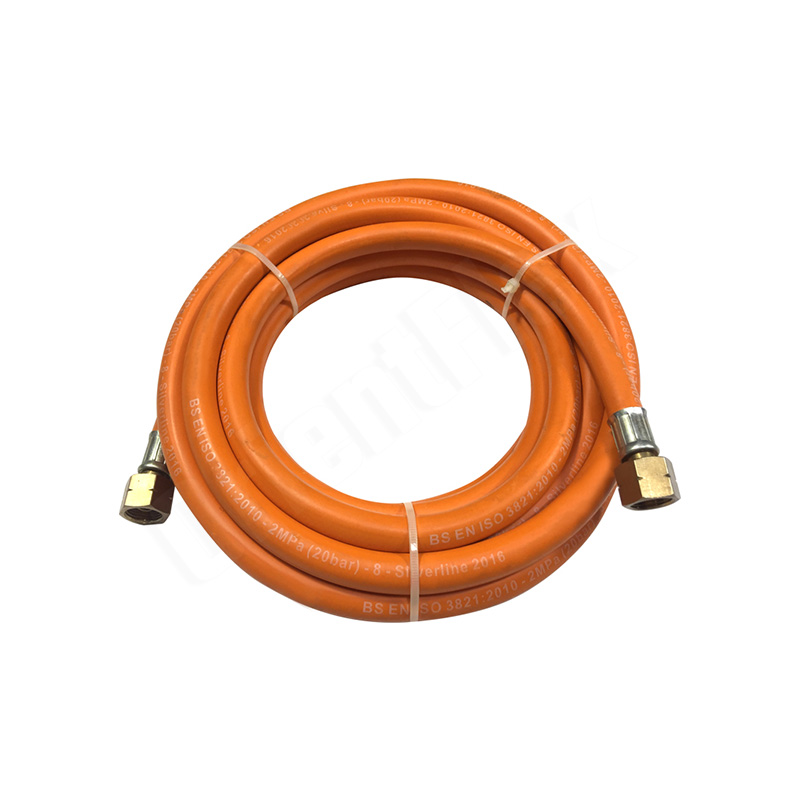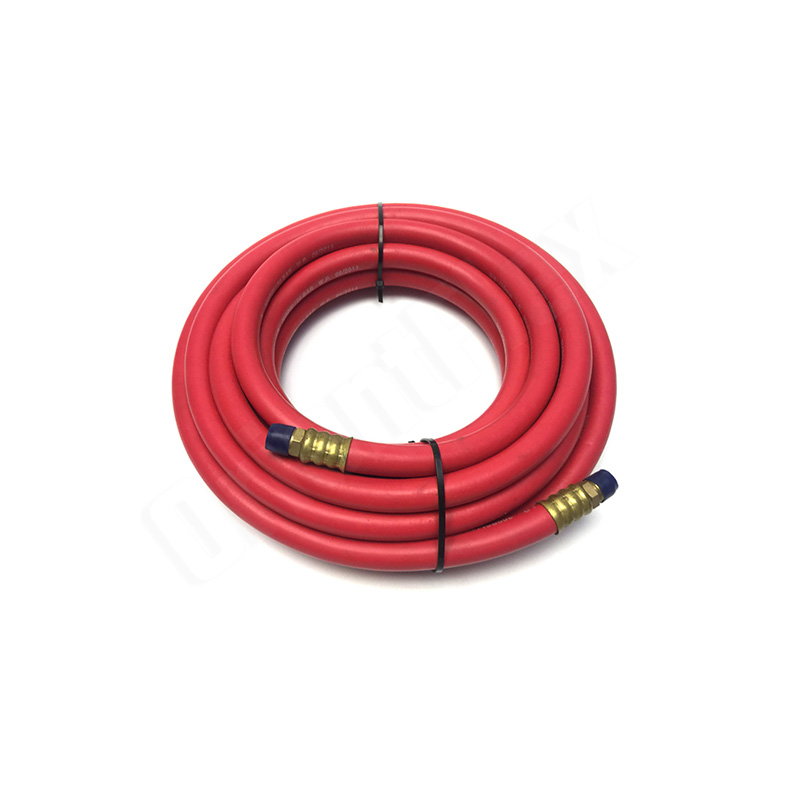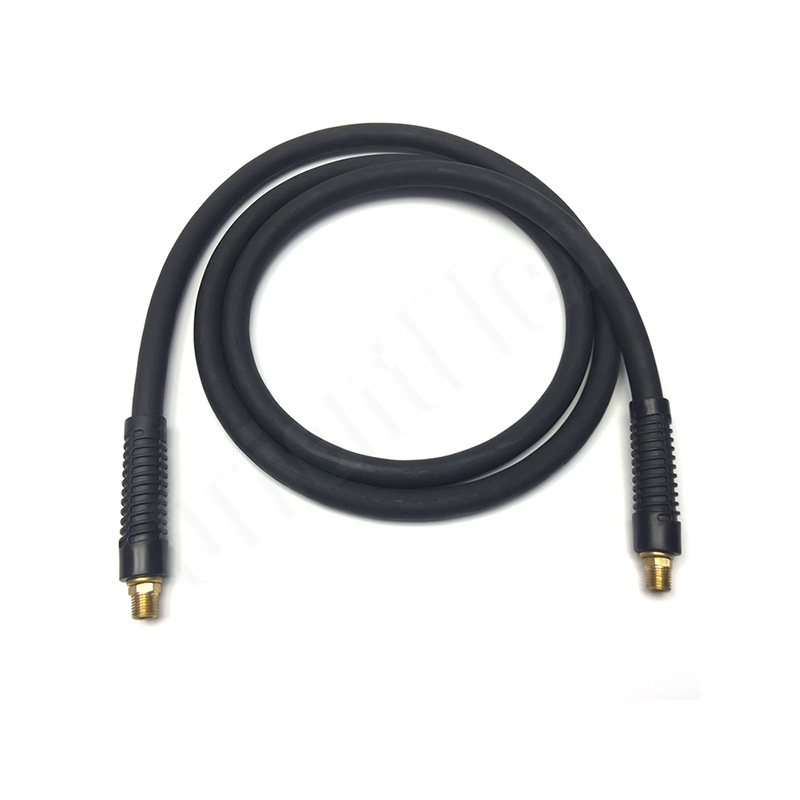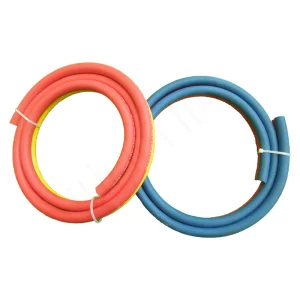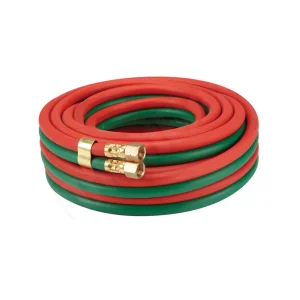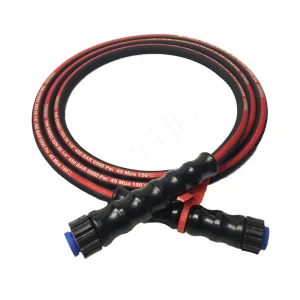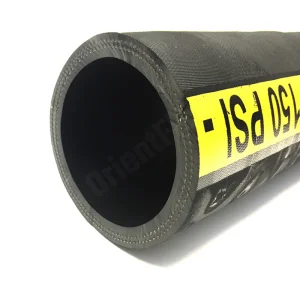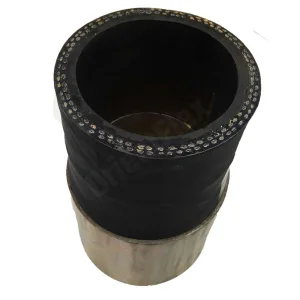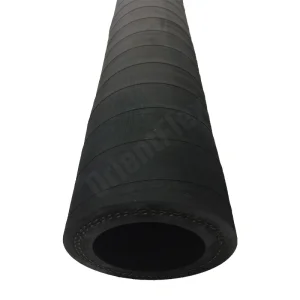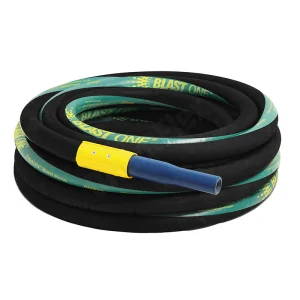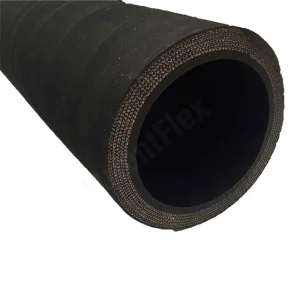
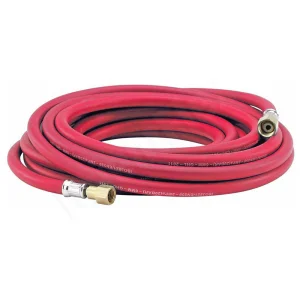
LPG hose is to transfer gas or liquid LPG, natural gas and methane within 25 bar. Besides, it's also suitable for stove and industrial machines. At home, it always serves as the connection between gas tank and cookers such as gas stove.
Compared with other plastic hoses, LPG gas hose can work in a wider temperature range. While the work temp could be -32°C - 80°C. Thus it's more suitable for both low and high temp use.
Technical Requirements & Standards
📏
Tolerance
Standard tolerance of the hose within DN20 should be within ±0.75mm; ±1.25mm for DN25-DN31.5; and ±1.5mm for DN40-DN63.
⚙️
Mechanical Property
Tensile strength of inner tube is 7Mpa (10Mpa for cover). Elongation should be 200% for inner tube and 250% for cover.
💨
Pressure Ability
Must bear 2.0Mpa without leaks or bubbles for over 1 minute. Length change rate at pressure should be within 7%.
❄️
Low Temp Bend
Stored at -40°C for 24 hours without cracks. Passing the pressure test after returning to normal temperature without leakage.
🛡️
Ozone Resistance
Tested in 50pphm ozone content at 40°C for 72 hours, showing no cracks on the surface.
Frequently Asked Questions
1. What are the primary applications of an LPG hose?
It is primarily used for transferring gas or liquid LPG, natural gas, and methane within 25 bar. It is commonly used for stoves, industrial machines, and connecting gas tanks to cookers.
2. What is the working temperature range?
The LPG hose can effectively operate within a temperature range of -32°C to 80°C, making it suitable for various climate conditions.
3. What is the pressure requirement for the hose?
The hose must be capable of bearing 2.0Mpa of pressure without any leaks or bubbles for a duration of at least 1 minute.
4. How does the hose perform in extreme cold?
The hose features excellent low-temperature bend properties. It can withstand -40°C for 24 hours without cracking and remains leakage-free after pressure testing.
5. Does the hose have ozone resistance?
Yes, the hose is engineered for ozone resistance. It shows no surface cracking after being exposed to 50pphm ozone content at 40°C for 72 hours.