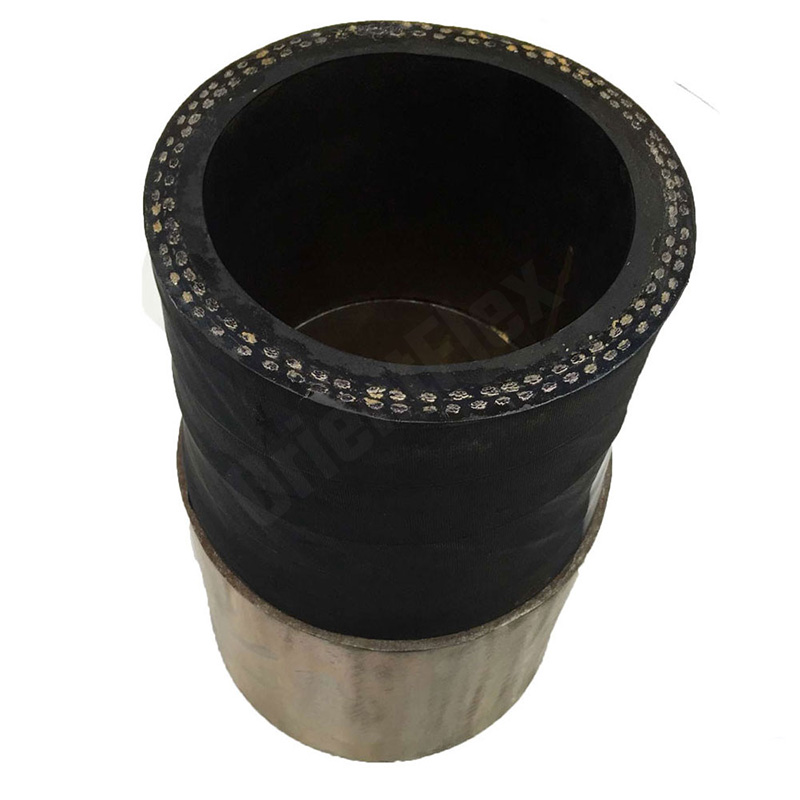
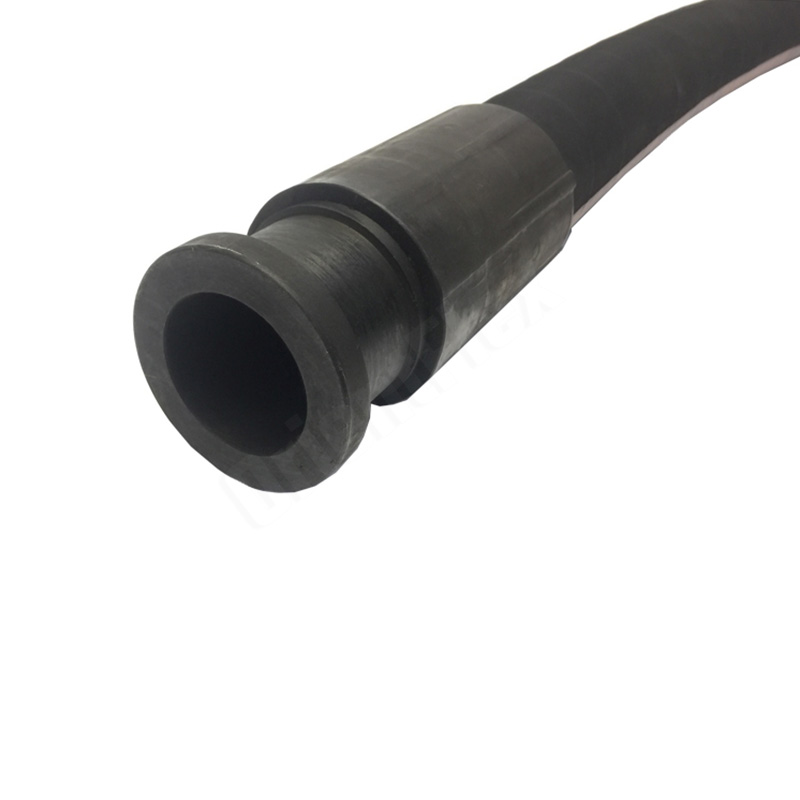
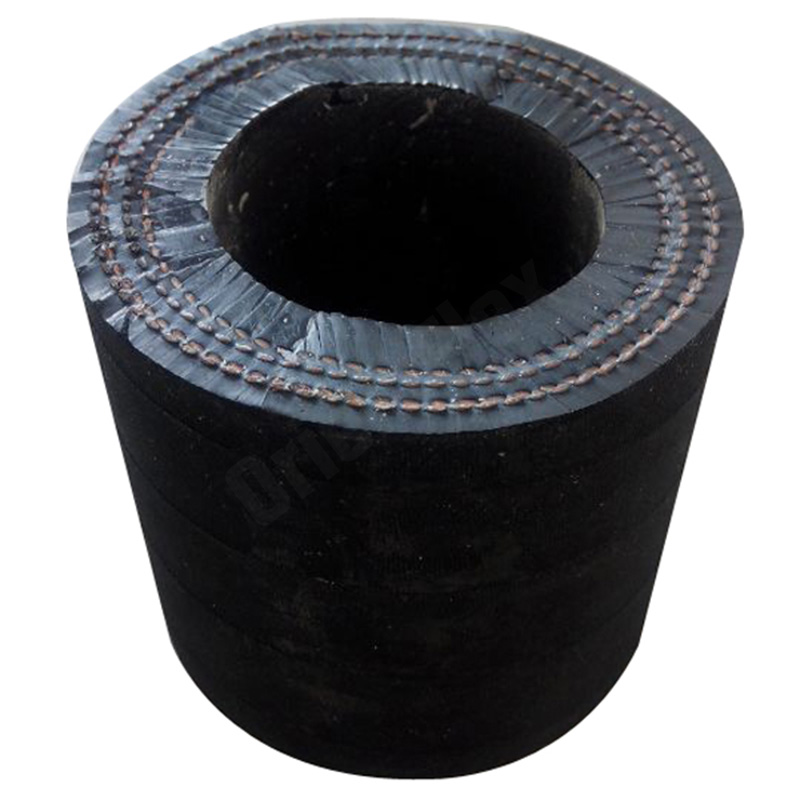
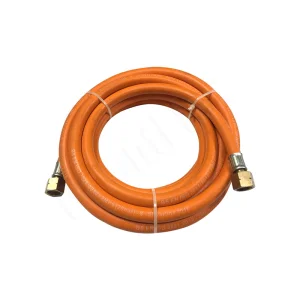
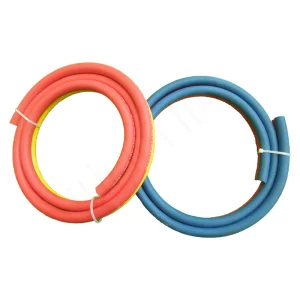
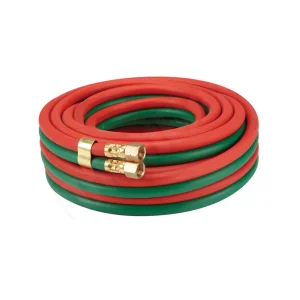
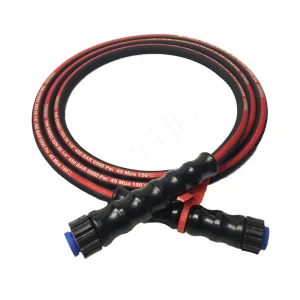
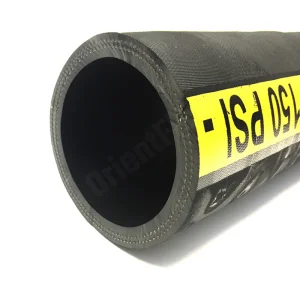
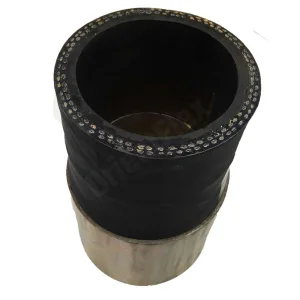
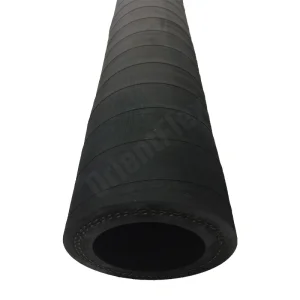
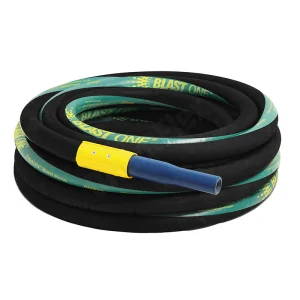
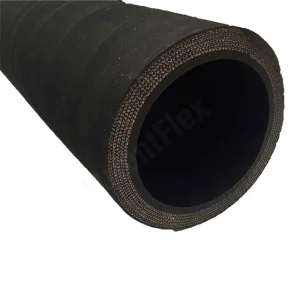
Concrete hose is specifically designed to transfer high abrasive mediums such as quartz sand, cast steel shot, and glass. It is an ideal solution for industrial sectors including tunneling, building construction, and road development. The primary application of this hose is the efficient transfer of concrete for building structures.
Wear Resistance
The SBR inner tube provides exceptional wear-resistant properties, ensuring long-term durability against abrasive materials.
Flexibility
Reinforced with multiple layers of fabric, the hose remains highly flexible and resistant to kinking during operation.
Weather Protection
The SBR cover offers excellent resistance to both harsh weather conditions and external wear.
Standard Operating Procedures
The concrete hose serves as the final connection to the steel pump. Proper operation is critical to prevent blockages or potential explosions. Follow these steps for safe usage:
1
System Check: Before pumping concrete, pump clean water through the system to verify there are no leakages in the connections.
2
Lubrication: Pump a lubricant, generally mortar, into the tank. This prepares the hose for the heavier concrete flow.
3
Concrete Pumping: If no issues arise during the lubrication phase, you may proceed with the concrete. In case of a block, immediately unload the front hose to remove the obstruction.
Critical Safety Guidelines
Communication & Radius: Always coordinate with the front operator before starting. Ensure the bend radius of the front hose is larger than 1 meter. Operators must never stand at the outlet, as sudden concrete spray can cause serious injury.
Explosion Prevention: Never bend the hose during use. If pumping resumes after a blockage, the hose may shake acutely and spray material suddenly; keep all personnel at a safe distance.
Positioning Safety: Do not hold the hose while standing in corners or on edges. The intense shaking of the hose can cause an operator to lose balance and fall from the building.
FAQ
Q: What materials can the concrete hose handle?A: It is designed for high abrasive mediums including quartz sand, cast steel shot, glass, and standard building concrete.
Q: Why is SBR used in the construction of these hoses?A: SBR is used for both the inner tube and cover to provide excellent wear resistance, flexibility, and protection against weather-related degradation.
Q: What is the recommended preparation before pumping concrete?A: You should first pump clean water to check for leaks, followed by a lubricant (typically mortar) to ensure smooth passage for the concrete.
Q: What should be done if the concrete hose becomes blocked?A: The operator must unload the front hose and manually pick out the blockage before resuming operation.
Q: What is the safety requirement for the hose bend radius?A: The bend radius of the front hose should always be kept larger than 1 meter to ensure safe flow and prevent damage.
Q: Why is it dangerous to hold the hose near building corners?A: The acute shaking of the hose during concrete delivery can cause the operator to lose their footing and potentially fall from the structure.
 Orient Flex